
Your Eye Treatment Journey in Turkey: Consultation to Recovery
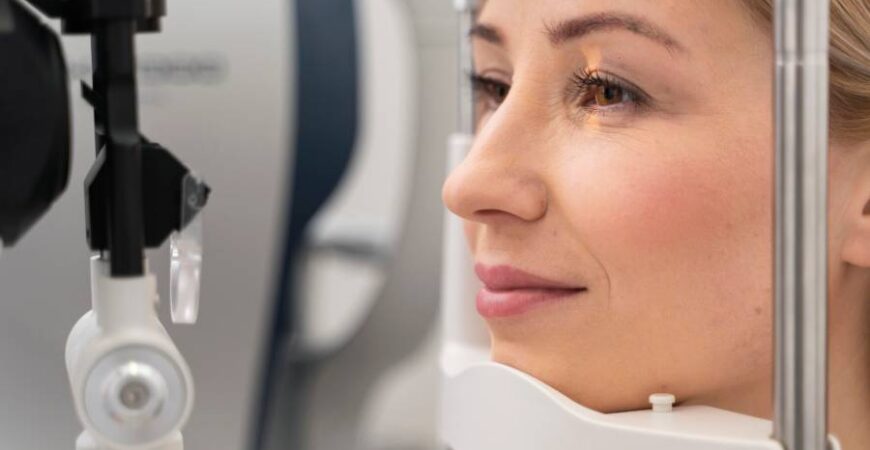
Planning an eye treatment journey in Turkey can feel both exciting and overwhelming. You may be comparing procedures like LASIK and PRK, wondering what the consultation includes, how recovery really feels day by day and how to plan travel without rushing important follow-ups. This guide is designed to walk you through the typical pathway from first screening to aftercare so you can set realistic expectations and make informed decisions. Turkey Cares supports international patients by coordinating the process around clinical standards, clear communication and well-organized logistics so you can focus on understanding your options and preparing confidently.
What Is a Laser Eye Surgery Journey in Turkey?
Laser vision correction is a group of procedures that aim to reduce dependence on glasses or contact lenses by reshaping the cornea. Common options include LASIK, PRK and LASEK and your suitability depends on factors like corneal thickness, eye surface health and prescription stability. A structured pre-op screening is essential because it helps the surgeon choose the safest approach for your eye anatomy and lifestyle.
People often consider a laser eye surgery journey in Turkey when they want an internationally coordinated experience with clear scheduling, modern diagnostics and a defined follow-up plan. Your clinician will confirm whether refractive surgery is appropriate for your specific situation after a detailed evaluation.
How Does the Process Work?
Most patients want one clear answer: What should I expect from consultation to recovery? Below is a realistic step-by-step overview of a typical eye treatment journey in Turkey.
1) Initial Review and Travel-Friendly Planning
You usually begin by sharing basic information such as your prescription history and contact lens use. From an international patient perspective, this is also when you align tentative travel dates with clinic availability and recommended follow-up timing. A careful plan matters because the safest itinerary includes time for post-op checks before you fly home.
2) LASIK Consultation in Turkey and Pre-Op Screening
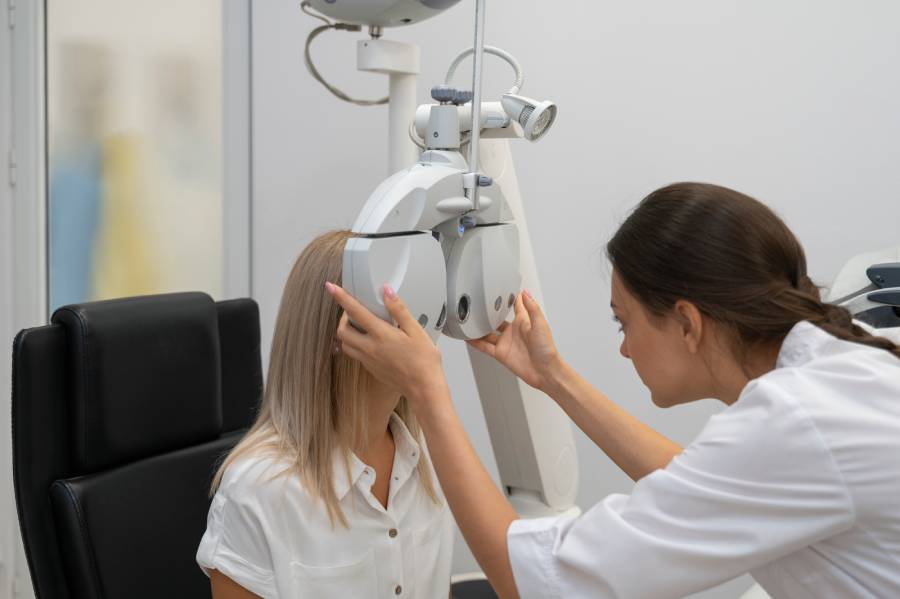
Your in-person assessment typically includes a comprehensive eye exam and diagnostic testing to evaluate corneal shape and thickness and to screen for dry eye and other factors that can affect comfort and outcomes. Tools and measurements may include corneal topography and pachymetry among other standard checks used in refractive surgery screening.
If you wear contact lenses, your clinician may ask you to stop them for a period before testing because lenses can temporarily alter corneal shape. The exact timing varies by lens type and your surgeon’s protocol.
3) Am I a Candidate for LASIK or PRK in Turkey?
This decision is individualized. As a general concept, PRK may be considered when flap-based procedures are less suitable such as in some thin-cornea situations while LASIK is often associated with a faster early comfort and vision recovery for many patients. Your surgeon will explain trade-offs in recovery experience, visual fluctuations and aftercare requirements in a way that fits your exam results.
4) What Happens on LASIK Day? Step-by-Step
On procedure day, the clinical team confirms your plan, reviews consent and guides you through preparation. LASIK is typically an outpatient process and the laser portion is brief, with the key goal being precise, controlled corneal reshaping. Some clinics use femtosecond and excimer laser technology depending on the technique and patient fit.
5) PRK or LASEK Procedure Steps in Turkey
With PRK, the corneal surface layer is managed differently than LASIK and a bandage contact lens may be placed to protect the surface while it heals. Because the surface needs time to recover, early comfort and functional vision can take longer compared with LASIK in many cases. Your clinic will outline what that means for hotel time, check-ups and travel timing.
6) Recovery and Aftercare: What’s Typical
Aftercare often includes scheduled follow-ups and prescribed eye drops such as antibiotic, steroid and lubricating drops depending on the surgeon’s protocol. Patients commonly ask about screen time, showering, exercise and driving because these affect real life planning. Your clinician provides personalized instructions based on your healing progress and the specific procedure performed.
7) Follow-Up Schedule and “Before You Fly Home” Check
International travel planning usually includes at least one post-op check before departure. Many patients can travel relatively soon after LASIK but PRK-style recovery often requires a longer window so the corneal surface can stabilize and follow-up can be completed. Your surgeon will confirm when flying is appropriate for you.
LASIK vs PRK Recovery Timelines: A Practical View
Recovery is not the same for everyone but a simple comparison can help you plan a realistic itinerary for a consultation to recovery laser eye surgery Turkey experience.
| Topic | LASIK (typical pattern) | PRK/LASEK (typical pattern) |
| Early comfort | Often improves quickly in the first days. | Often more surface discomfort early on. |
| Functional vision | Many notice faster early visual stability. | Vision may fluctuate more during early healing. |
| Travel timing | Some sources note flying may be possible within 24–48 hours in many cases if follow-up is appropriate. | Often advised to allow about a week for travel, depending on healing and check-ups. |
Your surgeon’s advice always overrides general timelines because safety depends on your exam findings and how you heal.
Benefits and Realistic Expectations
A well-planned LASIK journey in Turkey or PRK pathway can offer the possibility of reduced dependence on glasses or contacts and a streamlined outpatient experience. Many patients value the convenience of having a clearly scheduled assessment, procedure day and follow-ups in one coordinated trip. Still, outcomes can vary and it is normal for vision to stabilize gradually and for some temporary symptoms like glare or dryness to be discussed as part of informed consent. A thorough pre-op evaluation is the best way to understand what benefits are realistic for your eyes.
Advantages of Having This Procedure in Turkey
International patients often choose Turkey for refractive surgery because the experience can be structured around efficient scheduling, comprehensive diagnostics and coordinated support. When delivered to international healthcare standards, a medical travel pathway typically includes:
- Specialized refractive teams who routinely manage LASIK, PRK and related assessments.
- Organized patient coordination that supports travel planning, appointments and communication.
- Clear follow-up planning so you understand checkpoints before returning home.
Turkey Cares focuses on making the process understandable and well-managed, especially for patients navigating travel, timing and clinic coordination for the first time.
Plan Your Journey with Confidence
A successful eye treatment journey in Turkey is built on three things: a thorough consultation, a realistic recovery plan and a well-timed travel schedule that protects follow-up care. This guide covered what to expect from screening and procedure day to aftercare and return travel so you can approach decisions with clarity rather than guesswork. Turkey Cares supports international patients with structured coordination and clear communication throughout the process, aligned with professional clinical workflows.
For related, up-to-date guides on planning surgery and understanding recovery timelines, you can explore the Turkey Cares Blog. If you want a preliminary online consultation focused on natural-looking results and a plan tailored to your body, you can reach out through Turkey Cares Contact.
 CALL US
 WHATSAPP