
Why Get a Check-Up in Turkey?

If you are comparing destinations for preventive screening, a check-up in Turkey can look appealing for one main reason: it often combines modern diagnostics with a travel-friendly schedule. Still, it is normal to have questions about what is included, how safe the process is and how to choose the right hospital when you are planning from abroad. This guide explains the typical structure of a health check-up in Turkey, from initial assessment to aftercare, without overpromising outcomes. Turkey Cares supports international patients by helping them understand clinic options, organize appointments and prepare the documentation needed for a smooth medical visit.
What a Check-Up Is and Who It Is For
A medical check-up is a structured health screening that brings together lab tests, imaging and physician review to identify risk factors and detect certain conditions earlier. Preventive care is widely used in many health systems because it can help clinicians find issues before they become more complex.
A medical check-up in Turkey may be considered by people who want a comprehensive overview of general health, those managing known risk factors such as high cholesterol or family history and professionals who prefer a time-efficient “executive” format. The exact test set should be chosen based on age, sex, medical history and clinician guidance rather than a one-size package.
How Does the Process Work?
International patients usually want a clear answer to one question: What kind of process should I expect? A typical executive check-up Turkey pathway often looks like this.
Initial evaluation
You share basic medical history, current medications and prior reports if available. The clinic may also ask about symptoms, travel dates and language support needs. This stage helps plan the most appropriate test set and timeline.
Physician consultation
A doctor reviews your history and explains which screenings are relevant and why. This is also when you discuss add-ons such as cardiac testing, cancer screening or advanced imaging if clinically appropriate. The goal is to align the plan with your risk profile, not just to increase the number of tests.
Testing phase
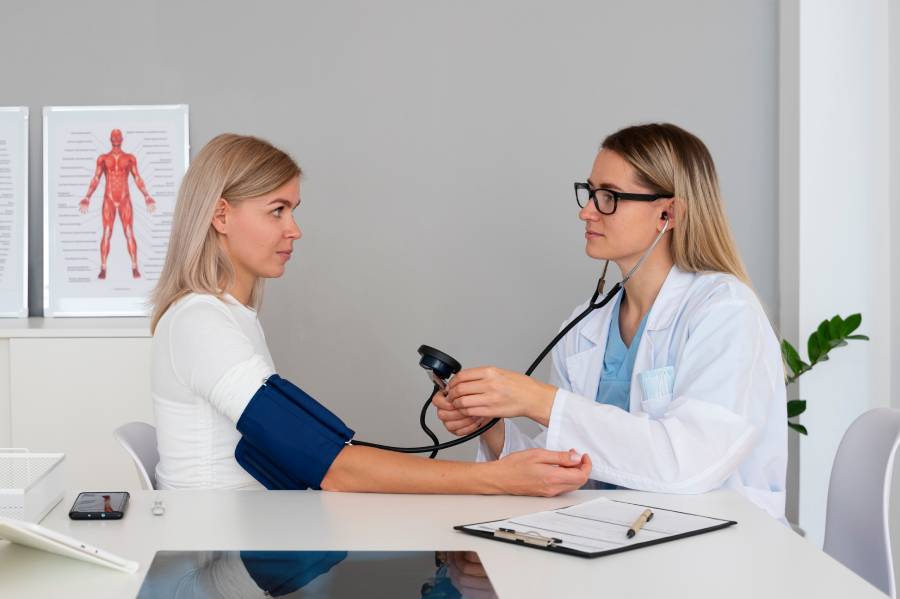
Testing is usually organized in a sequence that reduces waiting time. Depending on the program, this may include blood and urine tests, heart checks such as ECG and imaging such as ultrasound or other modalities when needed.
Recovery period
Most check-ups do not require recovery in the surgical sense. You may have temporary restrictions depending on specific tests, for example fasting bloodwork or contrast imaging preparation. The clinic should provide written instructions that match your schedule.
Follow-up and aftercare
A doctor reviews results and explains what they mean in general terms. If something needs further evaluation, the next steps are usually planned as referrals or additional testing. This is not a substitute for ongoing primary care in your home country but it can provide a well-documented baseline for continuity.
What Tests Are Commonly Included?
There is no single universal checklist for a full body check-up Turkey program. Hospitals often structure packages by scope and they tailor them after the first physician review. Examples of commonly described components include:
- Physical examination and vital signs review.
- Blood tests such as CBC, glucose and lipid profile.
- Urine analysis and related basic screenings.
- Cardiac assessment such as ECG, with stress testing or echocardiography in selected plans.
- Imaging such as ultrasound and X-ray, with MRI or CT used when clinically indicated and included in the chosen plan.
Your clinic should clarify what is included, what is optional and what requires preparation such as fasting.
Benefits and Realistic Expectations
The main potential benefit of a check-up in Turkey is efficiency. Many programs are designed to complete multiple assessments in a short timeframe, which can be practical for international travel. Another benefit is clarity because results are often compiled into a structured report that you can share with your physician at home.
It is important to keep expectations realistic. Screening can identify risk markers and findings that may need follow-up but it does not prevent disease on its own and it does not replace regular care. The value of any check-up depends on appropriate test selection, quality of interpretation and clear next-step planning.
Advantages of Having a Check-Up in Turkey
International patients often choose a health check-up in Turkey when they want a well-organized experience with access to a broad range of diagnostics. When the pathway is managed to international standards, the experience can be structured around appointment coordination, clear documentation and clinician communication.
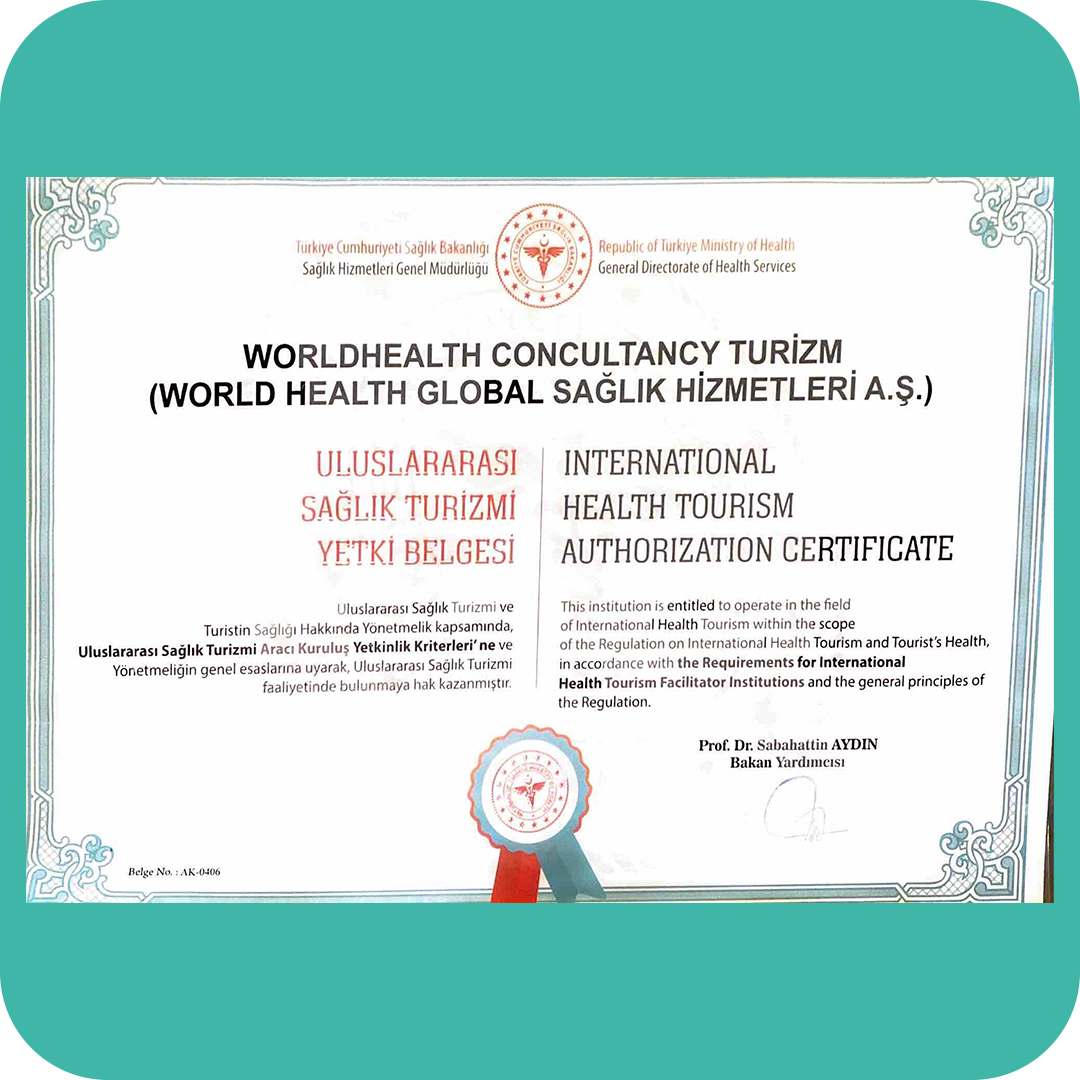
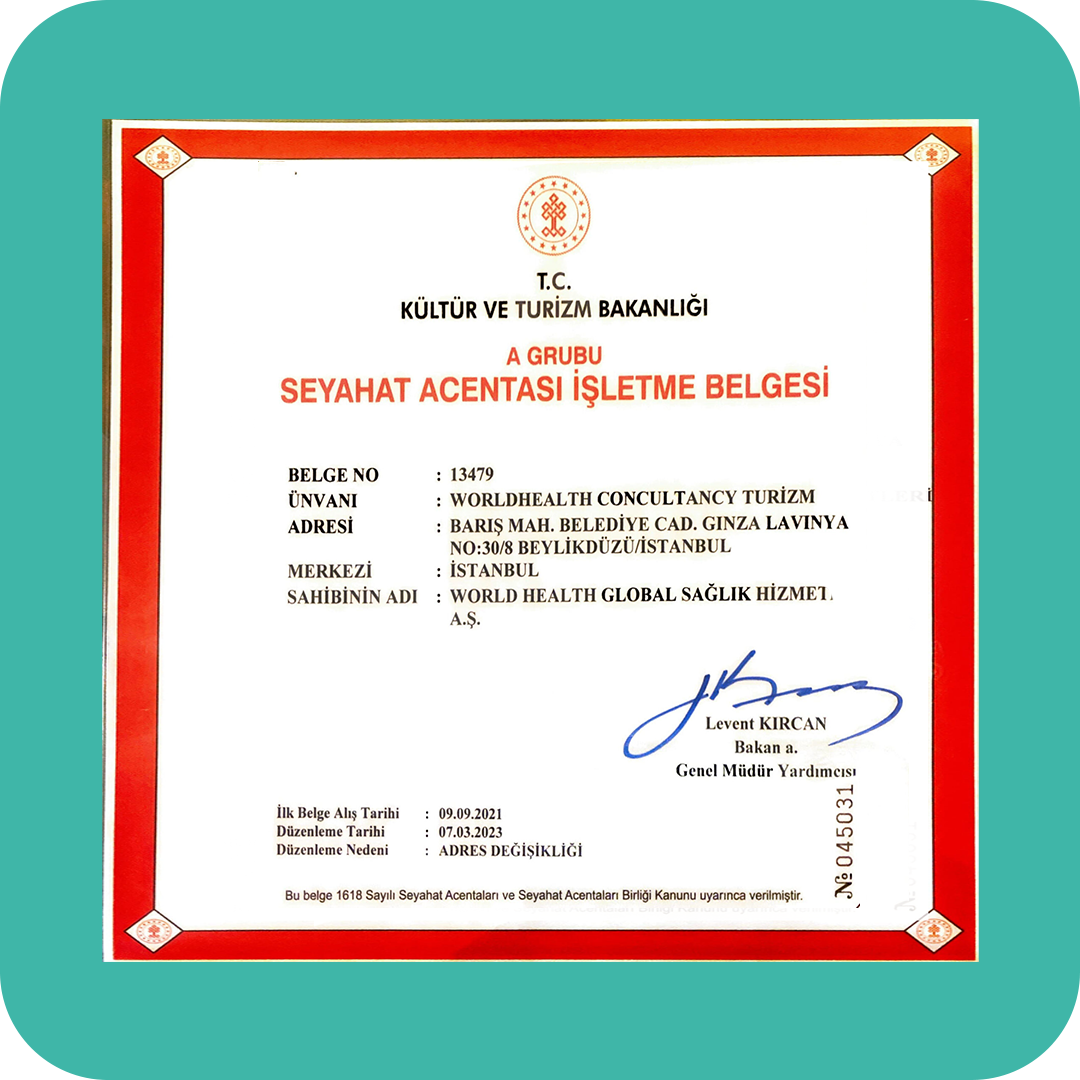
From a safety and governance standpoint, Turkey has an official regulatory framework for international health tourism services that sets minimum service delivery standards and covers authorization and supervision of providers and intermediaries.
Some patients also look for internationally recognized accreditation signals such as JCI listings during hospital research, depending on their preferences and destination options.
Turkey Cares supports patients by helping them compare hospitals, schedule efficiently and coordinate logistics such as transfers and multilingual communication without presenting the process as risk-free.
How Many Days Do I Need for a Check-Up in Turkey?
Many check-up programs are organized to fit into one or two days but this depends on the scope of tests, imaging availability and whether specialist consultations are included. Programs that include extensive imaging or multiple specialty reviews may require additional time. Hospital check-up pages commonly describe packages that range from basic lab work to advanced imaging and specialist assessments. For international travelers, it is sensible to plan at least one buffer day in case scheduling or result discussions need extra time.
What Is Typically Included in an Executive Check-Up in Turkey?
An executive check-up Turkey plan often combines baseline labs with broader screening and physician consultation in a condensed schedule. Hospital programs commonly describe components such as physical examination, blood and urine tests, imaging and heart evaluations such as ECG. The exact content varies by hospital and should be tailored after reviewing your age, family history and personal risk factors. A clinician should help you decide whether advanced imaging or specialty consults are appropriate rather than treating them as automatic add-ons.
Plan Your Journey with Confidence
A check-up in Turkey can be a practical option when you want structured screening, clear reporting and a travel-friendly timeline. The key is choosing an appropriate test set, confirming provider standards and planning follow-up steps so results translate into meaningful care. Turkey Cares supports international patients by coordinating consultations, scheduling and logistics in a clear and professional pathway so you can make informed decisions.
You can find information about check-up appointments and current guidelines by reviewing the Turkey Cares Blog. For a personalized, plan-focused initial consultation, you can contact us through the Turkey Cares Contact page.
 CALL US
 WHATSAPP