
What Is Face Lifting?

Facial aging is not only about fine lines. Over time, deeper layers shift, skin laxity increases, jowls become more visible, and the jawline and neck can lose definition. That is why people search “what is face lifting”, “what is a facelift”, and “facelift for jowls and sagging skin” when they want a clearer, longer-lasting solution than injectables alone. In this article, we explain the face lift meaning, what a facelift (rhytidectomy) actually does, the 7 most common facelift types, expected changes in the face and neck, benefits, surgeon-selection tips for Turkey, and a realistic recovery timeline including risks and aftercare.
Face Lifting: An Overview
A facelift, medically called rhytidectomy, is a surgical procedure designed to improve visible signs of aging in the face and often the neck. It can address skin laxity, deepen folds around the nose and mouth, jowls, and loose neck skin. Rather than simply “pulling the skin,” modern facelift surgery focuses on repositioning and supporting deeper facial tissues to create a natural-looking result.
What does face lifting mean in real life?
Think of aging as a combination of three changes happening together:
- Skin becomes looser as collagen and elastin decrease.
- Fat compartments shift downward, flattening the cheeks and adding heaviness near the jaw.
- Support layers (especially the SMAS) relax, which contributes to jowls and a softer jawline.
A facelift targets these layers through carefully planned incisions (often around the ear and hairline) and controlled tissue repositioning. Incision placement is designed to hide scars in natural creases and hair-bearing areas when possible.
A facelift improves sagging and contour, but it does not stop aging. Your skin and tissues will continue to change over time.
Exploring The 7 Most Common Facelift Types
There is no single “best facelift” for everyone. The right technique depends on where aging is strongest (midface, jawline, neck), your skin quality, and how much lift is needed. After a short explanation, here are 7 commonly discussed facelift types and what they typically target.
1) Mini facelift (short-scar facelift)
A mini facelift focuses mainly on early jowls and mild lower-face sagging with smaller incisions and a more limited dissection. It can be a good option when you want subtle improvement and a shorter recovery compared with more extensive lifts.
2) Lower facelift (jawline-focused lift)
A lower facelift concentrates on the lower third of the face, especially jowls and jawline definition. It is often chosen when the primary concern is sagging around the jaw rather than cheek descent.
3) SMAS facelift
The SMAS facelift targets a key supportive layer below the skin, the Superficial Musculoaponeurotic System (SMAS). By tightening or repositioning this layer (rather than relying on skin tension), surgeons aim for more stable, natural-looking contours.
4) Deep plane facelift
A deep plane facelift works beneath the SMAS level in selected areas to reposition deeper tissues as a unit. It is often discussed for patients who need stronger cheek, midface, and neck rejuvenation and want a less “pulled” look when appropriate for their anatomy.
5) Midface lift
A midface lift focuses on cheek descent, flattening of the midface, and deepening nasolabial folds. It can be done alone in select cases or combined with other lifts for balanced rejuvenation.
6) Facelift with neck lift (platysmaplasty)
When neck laxity, banding, or a “turkey neck” appearance is a major issue, a facelift is commonly combined with a neck lift to address the platysma muscle and neck contour. This combination often produces the most harmonious jawline-to-neck transition.
7) Revision facelift
A revision facelift is performed when a patient has had a prior facelift and wants further correction or refinement. These cases are typically more complex due to scar tissue and altered anatomy, so surgeon experience becomes even more important.
If you are comparing mini facelift vs full facelift, your decision should be guided by where your sagging is strongest. If the cheeks and neck are significantly involved, a mini approach may not deliver the change you expect.
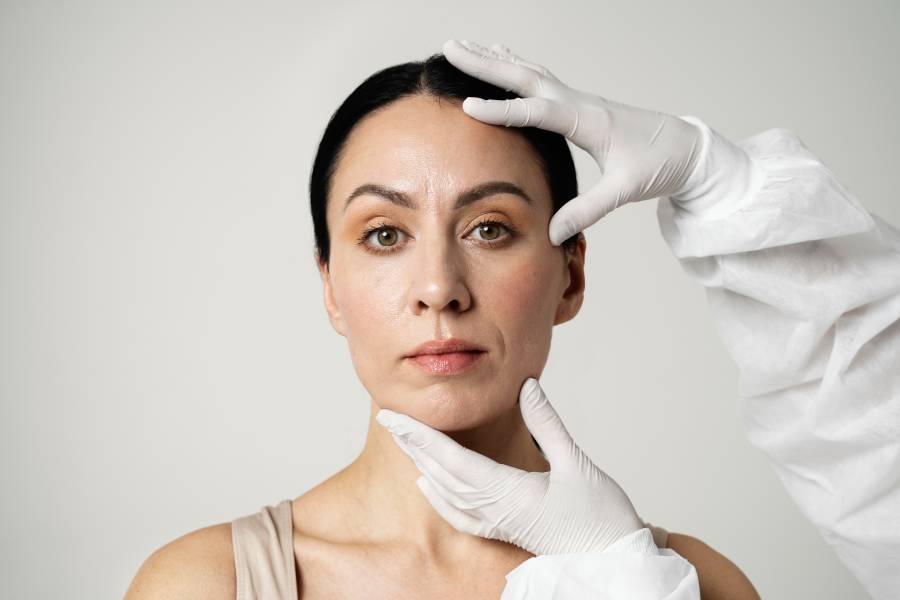
What Changes Will Occur On Your Face With a Face Lift Surgery?
A facelift is mainly a repositioning and support procedure. Most people notice changes in contour and definition more than they notice “tightness.”
Common changes you may see include:
- A sharper jawline with reduced jowls.
- Improved lower-face smoothness around marionette lines.
- Better neck contour when a neck lift is included.
- A more lifted cheek-midface transition in techniques that address deeper tissues.
How is a facelift performed in simple terms?
A typical facelift includes:
- Incisions placed around the ear and sometimes into the hairline.
- Elevation of skin and controlled work on deeper layers like the SMAS.
- Repositioning and tightening with sutures and selective tissue handling.
- Skin redraping with minimal tension and removal of excess skin.
- Optional drains and compression dressing depending on surgeon preference and case needs.
A natural-looking facelift is usually the result of deep support and proper vector planning, not aggressive skin pulling.
Benefits Of Face Lifting Procedures
A facelift is often chosen because it can produce longer-lasting contour improvement than many non-surgical approaches. It is especially relevant when laxity is the dominant problem.
After a short overview, these are the benefits people most commonly seek:
- Stronger improvement for jowls and lower-face sagging than fillers alone can provide.
- Better jawline and neck definition when facelift and neck lift are combined appropriately.
- A more stable outcome when deeper layers (SMAS and related planes) are addressed rather than relying only on skin tension.
A facelift does not replace skincare. Sun protection, consistent skincare, and healthy habits still matter for maintaining results.
Choosing A Plastic Surgeon in Turkey For Face lifting
If you are considering facelift surgery in Turkey, think like a careful evaluator. Your goal is to reduce uncertainty before you travel.
A strong selection process usually includes:
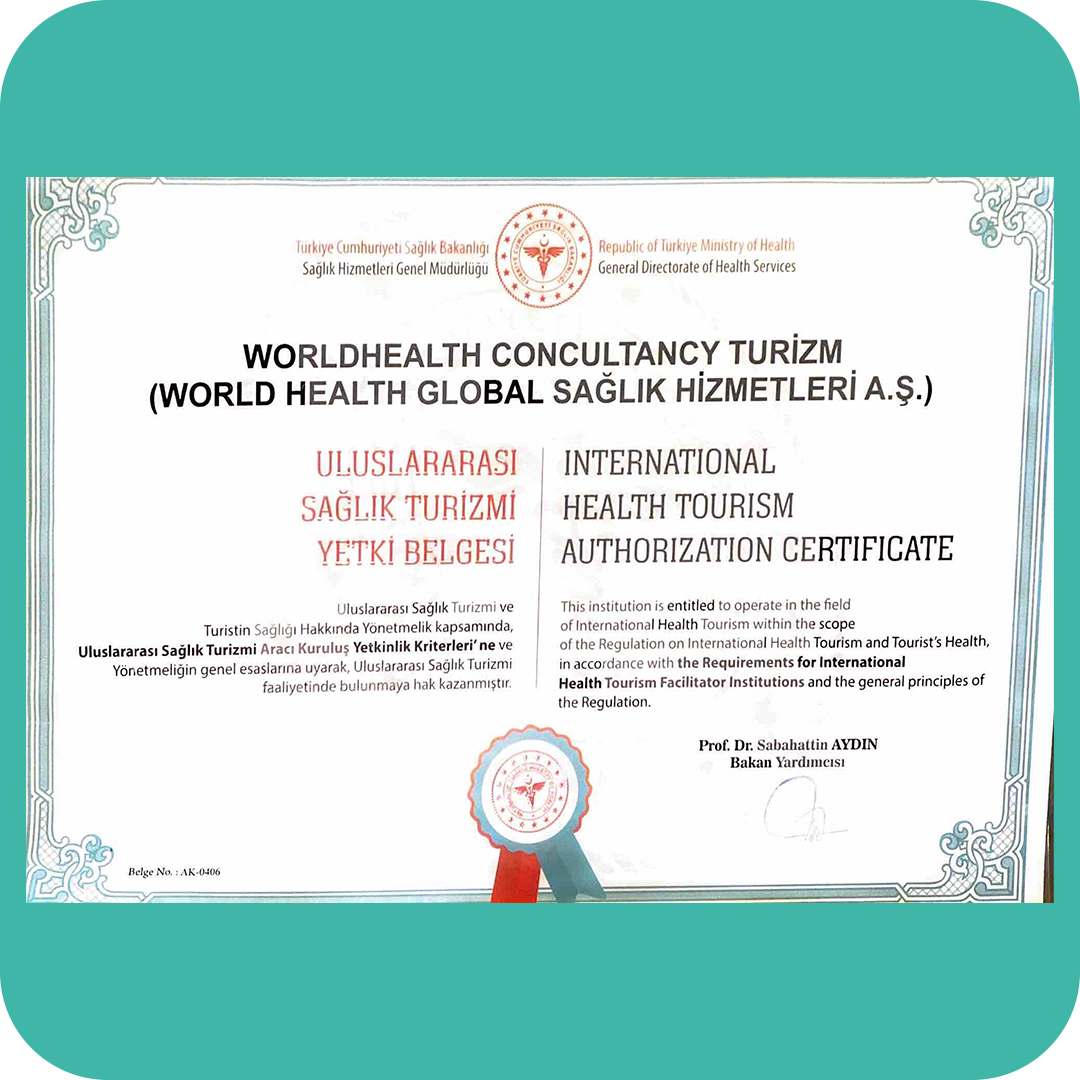
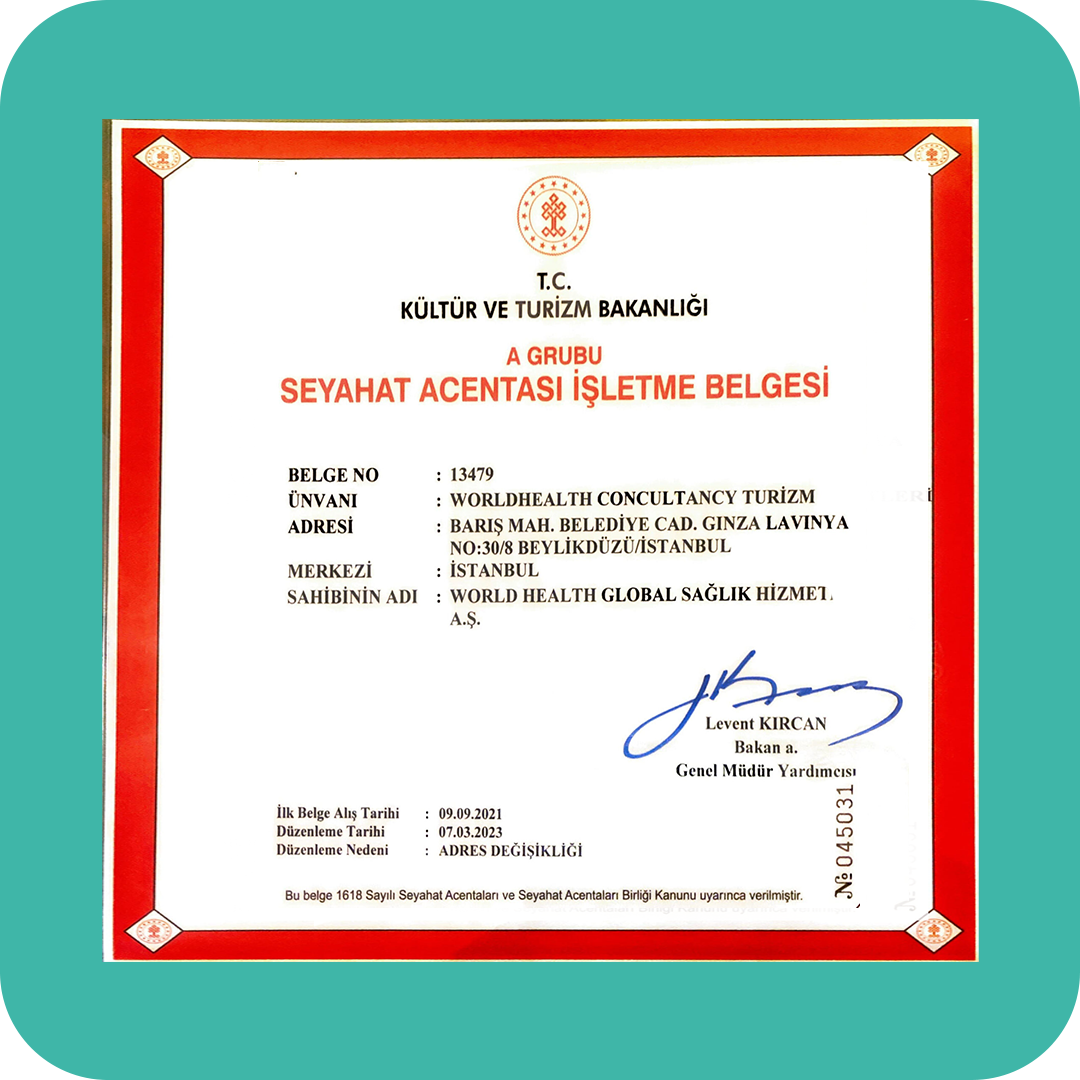
- Verifying the facility and or intermediary has the International Health Tourism Authorization Certificate as required by regulation.
- Checking whether the provider is listed on the Ministry’s published pages for authorized healthcare providers.
- Confirming your surgeon’s credentials and asking who will perform each step of the operation, not only who you spoke with online. The Turkish Society of Plastic, Reconstructive and Aesthetic Surgeons publishes checklist-style guidance emphasizing credential checks and clarity on the operating surgeon and hospital.
Ask direct questions in your consultation:
- Which facelift type do you recommend for my jowls and neck and why.
- Where will my incisions be placed.
- What is your plan to reduce hematoma and infection risk.
- What happens if I need urgent follow-up after I return home.
Benefits Of Getting A Face Lift in Turkey
Turkey is well known for medical tourism infrastructure in major cities, including Istanbul. Many international patients value:
- Streamlined coordination (patient coordinator and translation support).
- Access to experienced surgical teams in high-volume settings.
- The ability to combine consultation, surgery, and early follow-ups within one planned travel period.
If you like learning through structured medical guides, you can also follow topic-based reading through the Turkey Cares Blog and build a question list before your consultation.
How Long Is The Recovery Period For a Facelift?
Recovery varies by facelift type, tissue depth, and whether a neck lift or eyelid surgery is added. Still, most patients experience swelling and bruising that improves gradually over weeks.
A practical recovery timeline often looks like this:
First week: swelling, bruising, tightness, possible numbness. You will focus on rest, head elevation, and follow-up checks.
Around 2 weeks: many people feel comfortable returning to desk work and social activities with makeup, depending on bruising and surgeon advice.
Weeks 3–6: swelling continues to settle, jawline and neck definition becomes clearer, and activity is increased step by step.
Risks and complications to understand clearly
The calmest recovery usually comes from preparation. Plan time off, arrange help at home, and follow aftercare rules closely.
When you are ready to ask case-specific questions or plan logistics, you can reach the team here: Turkey Cares Contact.
 CALL US
 WHATSAPP