
Night Vision After LASIK: Halos, Glare and When It Improves
Noticing halos or glare at night can be one of the most worrying parts of recovery, especially if you are asking when do halos go away after LASIK. Many patients research night vision after LASIK because they want to know what is typical, what might improve with healing, and when symptoms may need a clinical review. Night-vision changes are often discussed as part of normal recovery, yet the timeline can vary based on your eyes, your prescription, and the quality of the ocular surface. This guide explains LASIK halos and glare, why they happen, and how long they may last in a realistic way. Turkey Cares supports international patients by coordinating consultations and follow-up planning so you can manage expectations with clarity.
What Night Vision Symptoms After LASIK Mean
Night vision symptoms usually refer to visual effects that become more noticeable in low light. These can include halos after LASIK, glare after LASIK, and starbursts around headlights or streetlights. The U.S. FDA notes that some patients develop glare and halos that can seriously affect nighttime vision, and that some people may see worse in low-contrast situations such as at night even if their vision chart results are good.
These symptoms are often temporary and can improve as the cornea heals and the tear film stabilizes. The American Academy of Ophthalmology notes that for several weeks or even months after laser eye surgery, it can be normal to notice vision changing or fluctuating during recovery.
How Does the Process Work?
Patients usually want to know what to expect from consultation to recovery and why follow-up matters.
Initial evaluation
A clinic assesses whether you are a good candidate based on corneal shape, corneal thickness, refractive error, and ocular surface health. This matters because issues like dry eye or irregular corneal measurements can influence postoperative visual quality. Your clinic may also advise you to pause contact lens wear before testing so measurements reflect your natural cornea.
Physician consultation
Your surgeon reviews risk factors for night symptoms such as higher prescriptions and pupil size in low light. The FDA highlights that large pupils in dim lighting can contribute to glare, halos, and starbursts after surgery for some patients.
Procedure phase
LASIK reshapes the cornea, and modern planning may use wavefront-guided or topography-guided profiles in selected cases. Your surgeon explains why a certain approach is chosen and what trade-offs exist, including how night vision may change early on.
Recovery period
Early recovery commonly involves dryness and temporary changes in visual clarity, especially at night. The AAO notes that vision can fluctuate for weeks or even months after laser eye surgery.
Follow-up and aftercare
Follow-ups confirm healing and ensure symptoms are trending in the expected direction. If symptoms are severe or worsening, your clinic can check for issues such as ocular surface instability, refractive residual error, or other postoperative findings that require treatment.
Why Halos and Glare Happen After LASIK
Night symptoms usually come from a few overlapping mechanisms. They are not always caused by a single issue.
Higher-order aberrations and optical changes.
Research in the British Journal of Ophthalmology found that certain higher-order aberrations such as coma and spherical aberration correlated with halo disturbance after LASIK.
These aberrations can become more noticeable at night when pupils dilate.
Pupil size and low-light conditions.
In dim environments, pupils expand. The FDA notes that larger pupils can be linked to glare, halos, starbursts, and ghost images after surgery in some patients.
Dry eye and tear film instability.
A disrupted tear film can scatter light and make glare worse. Post-LASIK dry eye management often includes lubricating drops, and a multicenter randomized study reported that carboxymethylcellulose-based artificial tears were more effective than saline in controlling dry eye symptoms after LASIK.
Night Vision After LASIK Week by Week
A common question is how long does glare last after LASIK. A helpful way to think about it is the healing trajectory, not a fixed deadline. The AAO highlights that vision changes can persist for weeks or months during recovery.
One week after LASIK, patients may notice halos and glare more clearly, especially when driving at night. This is usually due to the early healing process, the tear film not being fully stable, and temporary optical changes.
One month after LASIK, these complaints begin to decrease in most people, but can still be felt under headlights and high-contrast lights. This is mostly due to the ongoing corneal remodeling and the improvement of dry eye symptoms over time.
Three months after LASIK, many patients report clearer night vision. However, some people may still notice effects such as slight starburst. At this stage, neuroadaptation and the further stabilization of the eye surface quality usually play a role.
Six to twelve months after LASIK, many people experience a further decrease in night vision complaints. Long-term data show that these types of complaints can significantly decrease by 12 months in the groups studied.
Night Driving After LASIK: Practical Expectations
If you are dealing with night driving after LASIK halos, your clinic may advise avoiding night driving until you feel safe and have been cleared. The FDA notes that glare and halos can seriously affect nighttime vision for some patients.
The right approach is to plan your activities conservatively in the first weeks, especially if you rely on driving for work.
If your surgeon recommends it, temporary measures such as lubrication for dryness and optimizing your tear film can improve comfort. Dry eye control can reduce light scatter in some patients, and evidence supports the role of effective lubricants in post-LASIK dry eye symptom control.
Benefits and Realistic Expectations
Most patients pursue LASIK to reduce dependence on glasses or contact lenses and to improve day-to-day convenience. It is realistic to expect an adaptation period, and it is also realistic to expect variability in night vision improvement. The AAO notes that vision can be blurry or fluctuate for weeks or even months after laser eye surgery.
It is also important to avoid assuming that “more time” always solves everything. If symptoms are severe, worsening, or affecting safety, a clinical review is the appropriate step.
Advantages of Managing LASIK Recovery in Turkey
International patients often choose Turkey because consultation, procedure scheduling, and early follow-up can be organized within a travel-friendly plan. When care is delivered through a structured pathway, patients benefit from clear appointment coordination, documentation, and an agreed follow-up schedule before flying home.
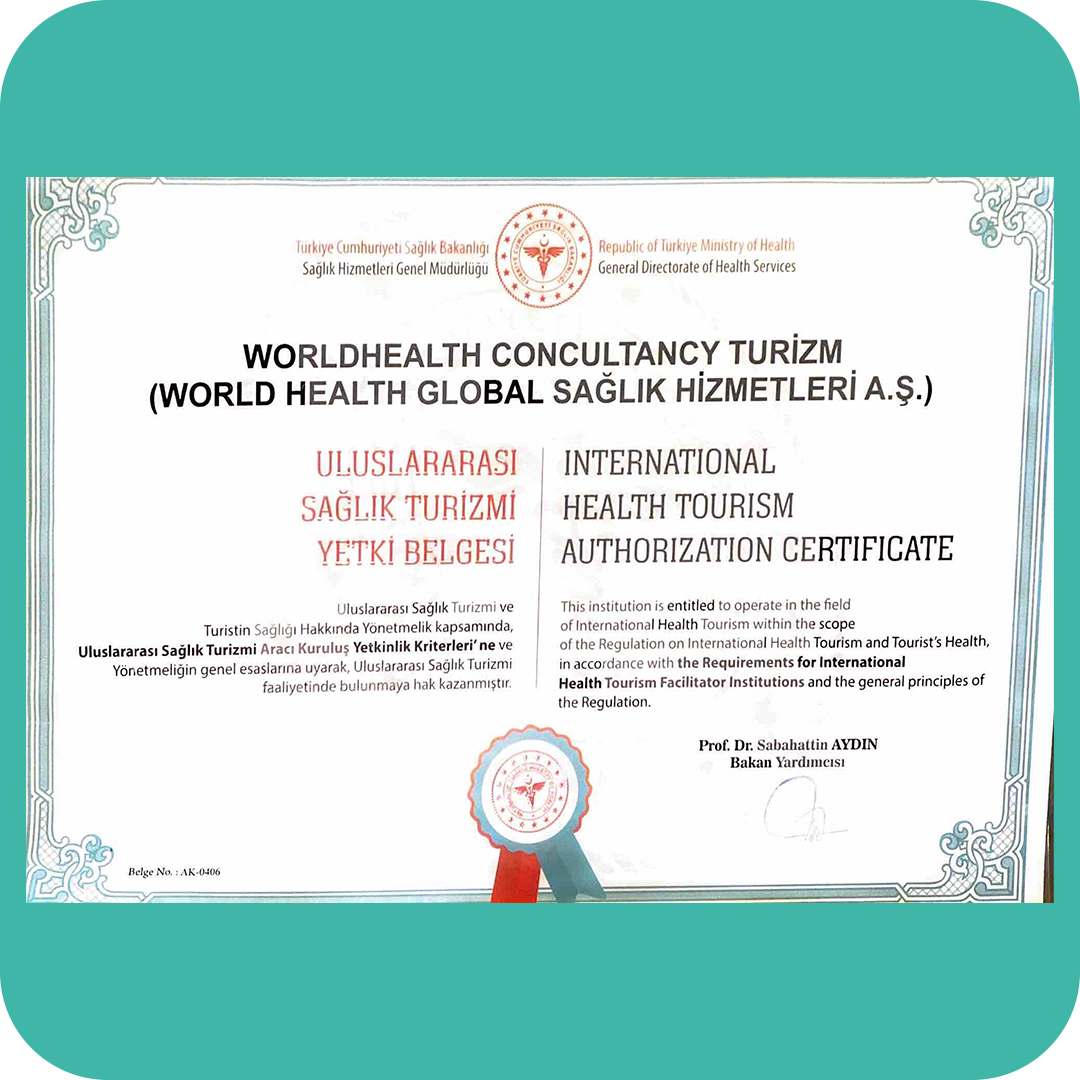
Turkey also has a formal regulation that defines minimum service delivery standards for healthcare services provided within international health tourism, including authorization and supervision principles.
Turkey Cares supports patients by coordinating these steps and keeping the process clear and professionally managed.
When do halos go away after LASIK?
Halos often improve as healing progresses, and many patients see meaningful improvement within weeks to a few months. One AAO-published study on night vision complaints reported a decrease from about 25.6% at 1 month to 4.7% at 12 months in the studied population.
If halos remain severe or are getting worse, it is important to arrange a follow-up exam to assess dryness, refraction, and ocular surface quality.
You can find information about check-up appointments and current guidelines by reviewing the Turkey Cares Blog. For a personalized, plan-focused initial consultation, you can contact us through the Turkey Cares Contact page.

 CALL US
 WHATSAPP