
How Many Grafts Do You Need? Hair Transplant Planning Guide
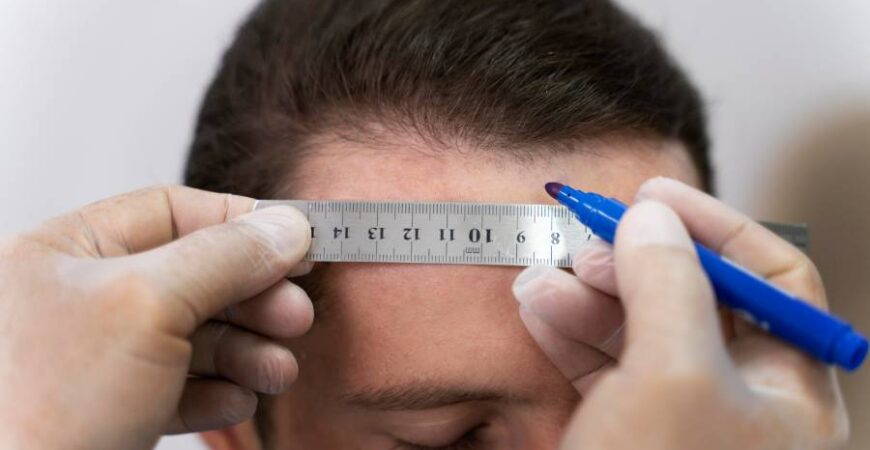
If you are researching a hair transplant, you have probably typed how many grafts do I need more than once. It is a fair question because graft count affects the look you can realistically achieve, the number of sessions and the overall travel plan. Still, there is no universal “correct” number because coverage depends on hair loss pattern, donor capacity and how density is designed across the scalp.
This guide explains how clinics estimate hair transplant grafts needed, what influences graft planning and what to expect from consultation to aftercare. Turkey Cares supports international patients by helping them understand the planning logic and organize a structured clinic evaluation in Turkey.
What Graft Planning Means and Who It Is For
A graft is usually a follicular unit that contains one to several hairs. Hair transplant planning focuses on matching the number of available grafts from the donor area to the size and pattern of hair loss in the recipient area. This approach is commonly used for androgenetic alopecia and it is often discussed with reference to classifications like the Norwood scale for men.
Graft planning is useful for patients who want hairline restoration, crown improvement or coverage of diffuse thinning. It is also important for patients who may need more than one session over time because donor supply is finite and overharvesting can create visible thinning in the donor area.
How Does the Process Work?
Most people want to know what to expect before they commit to travel. A typical planning pathway for how many grafts for hair transplant looks like this.
Initial evaluation
You share photos, hair loss history and any prior treatments. The clinic reviews the likely pattern of hair loss and identifies the main target zones such as hairline, temples, mid-scalp or crown. Many teams also discuss whether your hair loss is stable enough for surgical planning.
Physician consultation
The surgeon assesses donor density, hair caliber and the contrast between hair and scalp. These factors influence how much visual coverage you can get per graft. Some clinical references describe donor density benchmarks and why very low donor density can limit candidacy.
Procedure planning phase
The team maps the recipient area, estimates the graft requirement by zone and defines target densities. This is where a “graft calculator hair transplant” estimate becomes more precise because it is based on measurements and a design plan. The surgeon also explains trade-offs between covering a larger area versus creating higher density in a smaller area.
Recovery period
Recovery is usually discussed in terms of healing, shedding and regrowth timing rather than immediate cosmetic change. You should expect that growth is gradual and that final appearance can take months.
Follow-up and aftercare
Follow-ups confirm healing, growth progress and whether a second session might be helpful. If additional thinning is expected, long-term planning may prioritize building a strong frontal frame first and reserving donor supply for future needs.

How Clinics Estimate Graft Count
A reliable estimate combines three elements: the size of the area to cover, the target density and the visual properties of your hair.
1) Area size and hair loss pattern
Clinics often estimate hair transplant grafts needed based on pattern and severity such as Norwood stage. Public patient guides commonly present broad ranges, which should be treated as orientation rather than a promise.
2) Density planning in grafts per cm²
Density is not the same everywhere. The hairline often needs thoughtful design and a natural transition while the crown typically uses lower density because of swirl patterns and larger surface area. Some sources describe practical density ranges like 30–40 grafts/cm² for lighter coverage and higher values for more noticeable density goals.
3) Hair characteristics and donor capacity
Thicker hair, curl or wave and low scalp contrast can create the illusion of better coverage with fewer grafts. Donor evaluation is a limiting factor because there is a safe extraction zone and extracting too aggressively can cause patchiness.
Norwood Scale Guide: Approximate Grafts Needed
Many patients search how many grafts for a full head but most plans do not aim for full native density everywhere. Instead, surgeons often rebuild a natural frontal frame and add coverage where it delivers the most visual impact.
These ranges vary because two people with the same Norwood stage can have different hair caliber, scalp contrast and donor density.
Benefits and Realistic Expectations
A well-planned graft strategy makes your result look intentional rather than simply “high graft count.” The potential benefit is improved framing of the face and better perceived density in priority zones. It also helps control long-term risk because donor supply must be preserved for future needs.
Realistic expectations matter. A higher graft number does not automatically mean a better outcome because implantation angles, distribution and donor safety are equally important. Overharvesting is a known risk in hair transplantation and it can lead to visible donor thinning, which is why planning should be conservative and surgeon-led.
Advantages of Hair Transplant Planning in Turkey
International patients often choose Turkey for hair restoration because the pathway can be organized into a clear schedule that fits travel. When delivered to international standards, this typically includes structured pre-op assessment, donor evaluation and a defined aftercare plan. Turkey Cares focuses on coordination so patients understand what is included, what is optional and how follow-up is handled.
Many patients also value having consultation, procedure and early check-ins managed in one system. A well-organized experience can reduce uncertainty, especially when you are comparing clinics and trying to understand what a graft estimate really means.
You can find information about check-up appointments and current guidelines by reviewing the Turkey Cares Blog. For a personalized, plan-focused initial consultation, you can contact us through the Turkey Cares Contact page.

 CALL US
 WHATSAPP