
How Is Tube Breast Surgery Performed?
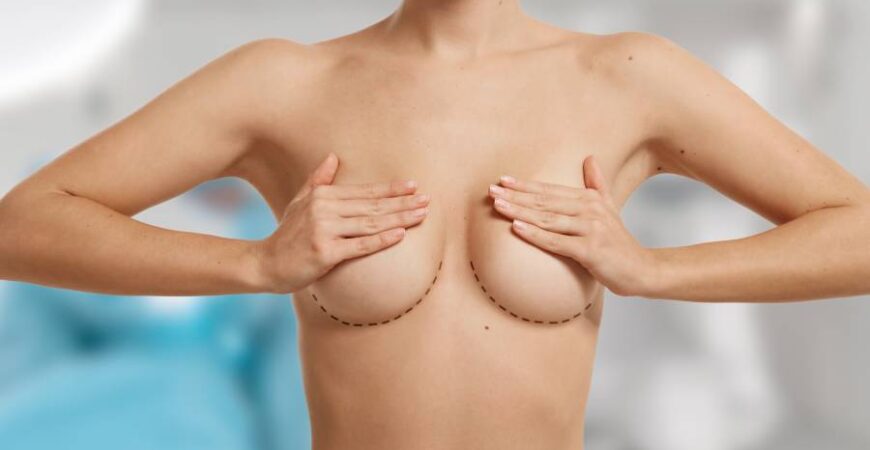
Tuberous breast deformity (also called tubular breasts or constricted breasts) is a developmental breast shape difference that often becomes noticeable during puberty. Many people describe a narrow breast base, limited lower pole fullness, a high or tight inframammary fold (IMF), enlarged or protruding areola, and sometimes clear asymmetry. In this guide, we explain what tuberous breasts are, what they typically look like, how surgeons classify severity, and most importantly how tuberous breast surgery is performed step by step. We also cover scarring, recovery, and age considerations so you can approach a consultation with realistic expectations and the right questions.
Tuberous Breasts (Tubular Breasts)
Tuberous breasts are not “a simple size issue.” They are mainly a shape and tissue-distribution issue caused by breast base constriction. Because the base does not expand normally, breast tissue can appear concentrated toward the areola, the lower pole may look underdeveloped, and the inframammary fold can sit higher or feel tight.
This can affect how bras fit, how clothing sits on the chest, and how you feel about symmetry and proportion. The good news is that modern tuberous breast correction focuses on releasing the constriction and rebuilding a more natural lower pole shape rather than only adding volume.

What Is Tuberous Breast (Tubular Breasts)?
Tuberous breast deformity is generally described as a combination of features:
- Constricted breast base (the footprint of the breast on the chest wall is tight or narrow).
- Lower pole deficiency (the lower part of the breast has limited skin and gland expansion).
- Areolar changes such as widening or herniation where tissue bulges through the areola region.
- IMF abnormalities where the fold position can be higher or “fixed.”
Because these features vary in severity, the surgical plan is always individualized. A mild tuberous breast can look like a subtle lower-inner fullness gap, while a severe form can show global underdevelopment and strong constriction.
What Do Tubular Breasts Look Like?
People often recognize tubular breasts by the “tube-like” silhouette, but it helps to break it down into more precise visual cues.
Common appearance patterns include:
- A breast that looks narrow at the base with a “projecting” center.
- A lower pole that seems flat or short compared with the upper pole.
- An areola that looks larger than expected or more prominent.
- A noticeable difference between the two sides in shape or volume.
Similar-looking concerns can come from weight change, breastfeeding-related volume loss, or simple ptosis. A proper exam matters because treatment differs.
What Are The Symptoms Of Tubular Breast?
In this context “symptoms” usually means characteristics rather than pain or illness. The most typical clinical features discussed in surgical literature include constriction, areolar herniation, hypoplasia, asymmetry, and IMF differences.
These features can affect you in practical ways too:
- Difficulty achieving a balanced bra fit because the fold position and base width differ.
- Frustration with cleavage or bikini fit due to lower pole deficiency.
- Self-consciousness about areola prominence and asymmetry.
How To Fix Tubular Breasts Naturally?
There is a clear reality to share kindly: you cannot “naturally” change the underlying constricted breast base with exercise, massage, or topical products. The core issue is structural and developmental. Surgical correction targets the anatomy directly by releasing constriction and reshaping the breast envelope.
That said, there are non-surgical steps that can help you feel better day to day:
- Professional bra fitting can improve shape under clothing and reduce discomfort.
- Style choices that emphasize balance can reduce the “tube” look visually.
- If body image stress is high, supportive counseling can help you navigate decisions calmly.
Be cautious with online “miracle fixes.” If a method promises permanent structural change without surgery, it is usually marketing rather than evidence.
Procedure
When people ask “How is tuberous breast surgery performed?” they are often expecting one universal method. In reality, surgeons combine specific techniques depending on severity: tissue release (radial or glandular scoring), lower pole expansion, IMF adjustment or reconstruction, volume choice (implant and or fat grafting), and areola management with mastopexy when needed.
A typical correction plan follows this logic:
1) Preoperative assessment and planning.
We evaluate breast base width, lower pole skin availability, IMF position, asymmetry, and areolar herniation. Some clinics use 3D imaging as a communication tool, but the physical exam remains central.
2) Incision choice.
Common options include periareolar incisions (around the areola) and sometimes inframammary incisions (in the fold) depending on whether the plan includes implant placement and how much reshaping is needed.
3) Constriction release with radial or glandular scoring.
This step is often a key differentiator from standard breast augmentation. Scoring techniques help release the tight ring so the lower pole can expand more naturally. Surgical literature describes radial scoring as part of correction strategies for tuberous deformity, often paired with lower pole expansion methods.
4) Lower pole expansion and IMF work.
If the lower pole is deficient, the surgeon reshapes internal tissue and adjusts the fold position to create a more balanced breast footprint. IMF reconstruction can be important in more severe cases.
5) Volume and shape creation.
This can be done in different ways:
- Implants with careful pocket planning such as dual plane positioning in selected cases.
- Fat grafting to smooth transitions, improve lower pole fullness, and refine contour. Recent studies discuss combined approaches using implants plus fat grafting with radial scoring for lower pole expansion.
6) Areola and lift decisions.
If the areola is enlarged, protruding, or the nipple-areola complex needs repositioning, a periareolar mastopexy and or areola reduction can be included. Periareolar approaches are well described in breast shaping and can help reposition and refine the areola area in appropriate cases.
Simply placing implants without releasing constriction can leave key deformity features behind or create issues like a persistent “constricted look.” That’s why tuberous correction is considered more technically specific than routine augmentation.
How and Why Does The Tuberous Breasts (Tubular Breasts) Form?
Most explanations point to developmental factors during breast growth where the breast base and lower pole skin envelope do not expand normally. The result is a tight footprint and altered tissue distribution, which can push tissue toward the areola and limit lower pole projection. Reviews of surgical strategies discuss these features as central to the deformity and the reason correction requires release and reshaping rather than volume alone.
What Is The Effect Of Tuberous Breasts (Tubular Breasts) Degree On Treatment?
Severity strongly shapes the plan. A commonly referenced framework is the Grolleau classification, which simplifies the pattern of lower pole deficiency:
Type I: Deficiency mainly in the lower medial quadrant.
Type II: Deficiency in both lower quadrants.
Type III: Deficiency in all four quadrants with more severe constriction and hypoplasia.
In mild cases, correction may focus on subtle release plus conservative volume and areola refinement. In more severe cases, surgeons may recommend a more complex reshaping plan and sometimes even a staged strategy to reach safer, more predictable results.
Correction Of Tuberous Breasts (Tubular Breasts) Deformity
The correction goal is consistent: widen the breast base, improve lower pole fullness, reduce areolar herniation, and improve symmetry. How we get there depends on your anatomy.
Common building blocks include:
- Constriction release with radial or glandular scoring.
- Lower pole expansion and fold adjustment or reconstruction.
- Implant-based shaping and or fat grafting for refinement.
- Periareolar mastopexy and areola reduction when needed.
Bring photos of results you like to a consultation, but also ask to see outcomes from patients with a similar starting anatomy. That makes the conversation more realistic.
Is There Any Scar After Tuberous Breasts Surgery?
Yes. Any surgery that uses incisions leaves scars, but scar placement is chosen to be as discreet as possible.
The two most common locations are:
Periareolar scar: around the areola border where color transition can help camouflage the line.
Inframammary scar: within the breast fold, often used when an implant is placed through the fold.
Scar quality depends on skin type, technique, tension, and aftercare. Smoking and nicotine can worsen healing, so surgeons commonly request cessation for safety and scar quality.
Recovery After Tuberous Breast Surgery
Recovery depends on what you combine: implants alone, implants plus lift, or implants plus fat grafting and extensive reshaping. In most cases, expect swelling, tightness, and bruising early, then gradual settling.
A realistic recovery experience often includes:
- Wearing a surgical bra or compression bra as instructed.
- Activity limits with a gradual return to normal movement.
- Sleep-position guidance to protect incisions and implant position if applicable.
- A longer “settling period” where shape and symmetry improve as swelling resolves.
“Before and after” photos look most meaningful at later milestones. Early results can change substantially as the lower pole expands and tissues relax.
Is There An Age Limit For Tubular Breast Surgery?
Most surgeons prefer to operate after breast development is complete. Many patient resources describe eligibility as 18+ with stable development, while also noting that there is typically no strict upper age limit if you are healthy and have realistic expectations.
If you are younger and still developing, the safest approach is usually to wait until breast growth has stabilized and then reassess with a qualified plastic surgeon.
If you want to explore related plastic surgery topics in a calm, educational flow, you can browse the Turkey Cares Blog and build a shortlist of questions for your consultation. When you are ready to plan a visit or ask case-specific questions, you can reach the team via Turkey Cares Contact.


 CALL US
 WHATSAPP