
Dental Veneers in Turkey: Who Should Choose Veneers Over Crowns?
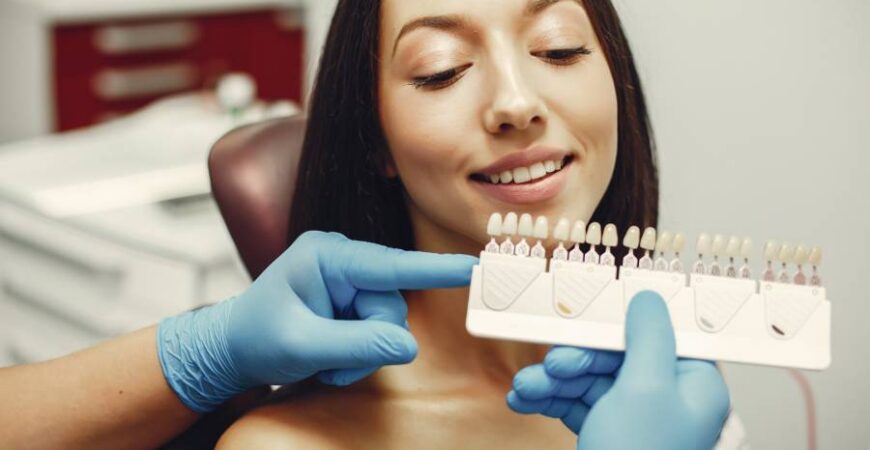
If you are comparing veneers vs crowns in Turkey, you are likely trying to balance aesthetics, tooth preservation, and long-term durability while planning treatment from abroad. That decision matters because veneers and crowns solve different problems even when the final smile can look similar. A veneer is mainly an aesthetic restoration that covers the front surface of a tooth while a crown is a full-coverage restoration that protects and strengthens a tooth that is structurally compromised. Understanding these differences helps you avoid overtreatment and align your plan with realistic outcomes. This guide explains how dental veneers in Turkey are typically planned, when veneers may be preferred over crowns, and what international patients should expect from consultation to aftercare with Turkey Cares coordination.
Veneers vs Crowns in Turkey: What Are They?
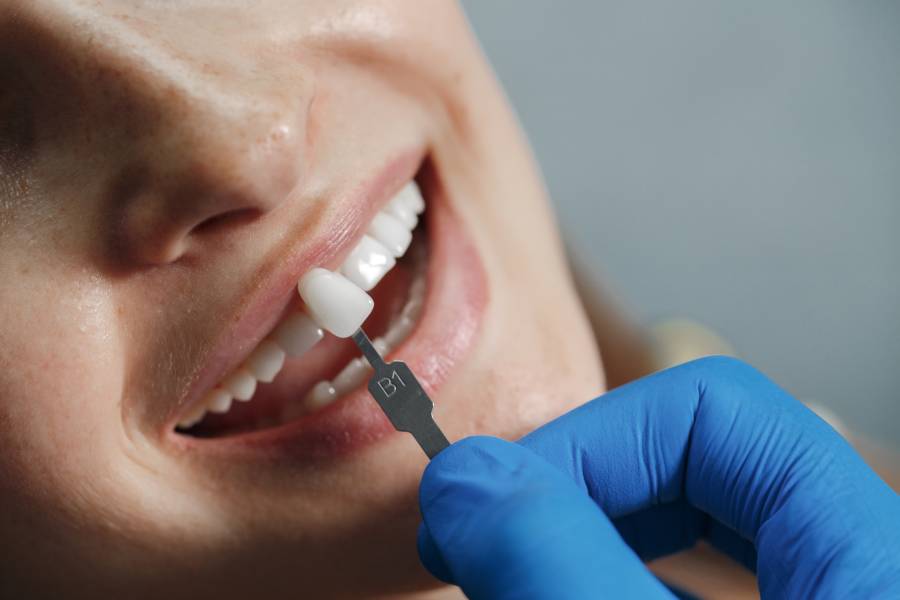
Dental veneers are thin, custom-made shells that fit over the front surface of teeth to improve appearance. They are often used for cosmetic concerns such as discoloration, minor chips, mild shape issues, or small gaps.
Dental crowns are tooth-shaped caps that cover the entire visible tooth above the gumline. They are commonly used when a tooth needs structural protection, such as after significant decay, fracture, large fillings, or root canal treatment. The crowns restore decayed, broken, weak, or worn-down teeth and are also used for root canal-treated teeth.
How Does the Process Work?
International patients considering veneers or crowns Turkey usually want clarity on process and timing. A well-managed plan follows a structured pathway.
Initial evaluation
You share photos, dental history, and any recent X-rays if available. The clinic assesses bite, gum health, and enamel condition because these factors affect whether veneers are suitable and how stable the bonding can be. A clear plan also considers travel timing since veneers typically require more than one visit.
Dentist consultation
Your dentist explains whether the tooth is primarily a cosmetic concern or a structural concern. This is where porcelain veneers vs crowns Turkey decisions are made based on enamel thickness, existing fillings, cracks, and functional bite forces. Crowns are often discussed when a tooth needs full coverage protection rather than cosmetic masking.
Procedure phase
For veneers, the tooth is usually prepared conservatively and impressions or digital scans are taken for lab fabrication. For crowns, more tooth structure is typically shaped to allow full coverage. Porcelain veneers cover the front surface of the tooth, while crowns cover the entire tooth.
Recovery period
Most patients return to daily life quickly but there may be short-term sensitivity depending on preparation depth and bite adjustments. Your dentist will provide written guidance on eating, brushing, and avoiding excessive force during the early period.
Follow-up and aftercare
A follow-up visit checks bite balance, margins, and gum response. This step is important for international patients because minor adjustments can improve comfort and reduce chipping risk before flying home.
When to Choose Veneers Over Crowns
In many veneers vs crowns differences discussions, the deciding factor is tooth structure. Veneers are typically considered when the tooth is mostly healthy but needs cosmetic improvement. Crowns are typically considered when the tooth is weakened and needs protection.
Veneers may be preferred when the goal is to preserve more natural tooth while improving the visible front surface. Crowns may be preferred when the tooth needs full coverage strength due to damage or extensive restorations.
Here are common situations that clinics discuss before recommending dental veneers in Turkey:
- Discoloration that does not respond well to whitening.
- Minor chips and shape irregularities on front teeth.
- Small gaps such as diastema.
- Mild wear or mild misalignment where orthodontics is not the chosen route.
Crowns are often discussed in these situations:
- Cracked or structurally weak teeth.
- Teeth with large fillings that reduce strength.
- Teeth after root canal treatment where protection is commonly recommended.
Materials Used in Turkey: Veneers and Crowns
International patients often compare materials as part of veneers vs crowns in Turkey planning. Material choice affects translucency, strength, and the “natural” look.
For veneers, porcelain options such as E-max are often chosen for translucency and aesthetics in front teeth. Composite veneers may be discussed for certain cases but they can have different longevity and maintenance expectations compared with porcelain. WebMD notes different veneer types and provides general lifespan ranges for porcelain and composite veneers.
For crowns, zirconia and porcelain-based crowns are common options depending on location in the mouth and cosmetic goals.
Benefits and Realistic Expectations
A well-indicated veneer plan can improve color consistency, symmetry, and confidence in photos and social settings. Many patients value veneers because they can address multiple cosmetic concerns at once while preserving more of the natural tooth than a full crown.
Realistic expectations matter. Veneers are not designed to “fix everything” if the tooth is structurally compromised, if bite forces are heavy, or if gum health is unstable. Crowns are not automatically the “stronger cosmetic choice” either because they involve more tooth reduction and are typically used when protection is needed. The right option depends on professional evaluation, not just the desired look.
Advantages of Choosing Veneers or Crowns in Turkey
International patients often consider Turkey because treatment can be organized into a defined timeline with consultations, imaging, lab production, and final fitting arranged efficiently. A key advantage can be structured coordination across appointments, accommodation, and transfers, especially for short trips.
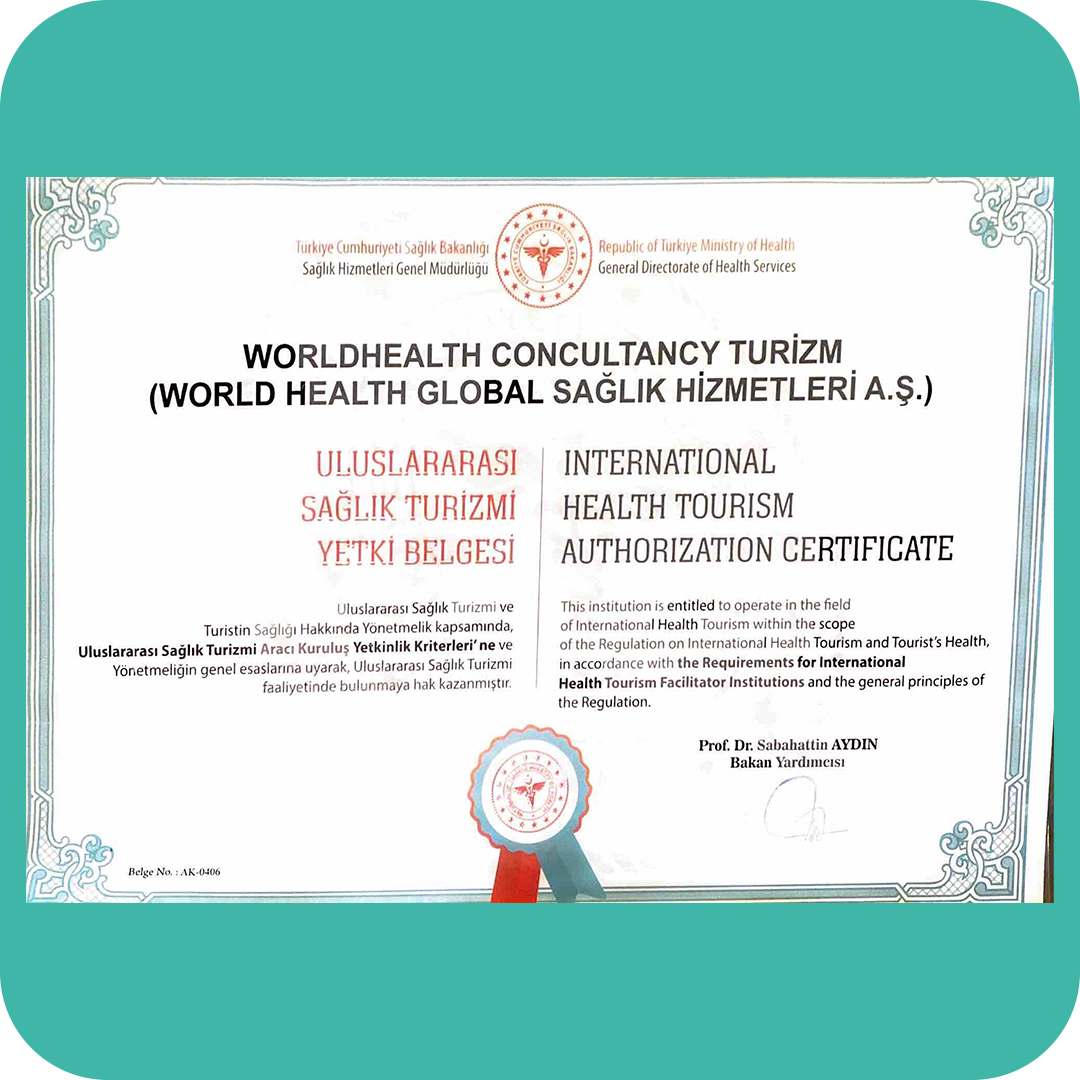
Turkey also has an official regulation for international health tourism that defines minimum service delivery standards and covers authorization and supervision of providers and intermediaries. This framework supports clearer process expectations for international patients planning care abroad.
Turkey Cares supports patients by coordinating clinic communication, documenting what is included in the plan, and helping ensure the travel schedule protects essential follow-up.
You can find information about check-up appointments and current guidelines by reviewing the Turkey Cares Blog. For a personalized, plan-focused initial consultation, you can contact us through the Turkey Cares Contact page.
 CALL US
 WHATSAPP