
Can You Combine Multiple Treatments During One Trip to Turkey?

Planning a medical journey abroad often raises one practical question: can you combine multiple treatments in Turkey and still keep the process safe, structured and realistic. Many international patients consider pairing procedures to reduce total travel time and streamline appointments. At the same time, combining treatments is not simply a “more is better” decision because surgical time, anesthesia exposure and recovery demands can change the risk profile and the travel timeline. This guide explains how clinics typically plan multiple procedures in one trip Turkey, what a coordinated schedule can look like and which factors usually determine whether treatments should be done together or staged. Turkey Cares supports patients by coordinating consultations and timelines across clinics in a way that reflects professional standards and clear communication.
What It Means to Combine Multiple Procedures
Combining treatments usually means completing more than one procedure within the same travel period. This can include same-day combined surgery under one anesthesia or staged procedures scheduled on separate days during the same trip. The approach is often used for compatible procedures with aligned recovery needs such as facelift + neck lift or breast augmentation + lift.
This option may suit patients who are medically appropriate candidates, have realistic expectations and can commit to the recommended follow-up window before flying home. It may be less suitable when the total operative time becomes long, when procedures have conflicting recovery requirements or when medical risk factors require a more conservative plan.
How Does the Process Work?
International patients usually want to know what the full pathway looks like. A well-managed medical trip to Turkey multiple treatments plan often follows a structured sequence.
Initial evaluation
You share medical history, current medications and previous procedure history. Clinics may also request lab results, ECG or additional screening depending on procedure type and your health profile. This stage helps determine what can be combined and what should be staged.
Physician consultation
Surgeons review goals and examine anatomical priorities to build a safe plan. The consultation focuses on total surgical time, expected recovery demands and how your personal risk factors such as smoking status or BMI may influence clearance. Longer operative duration and anesthesia exposure are commonly discussed as safety constraints.
Procedure and scheduling phase
If procedures are combined, they are planned to fit within safe time limits and practical positioning in the operating room. If procedures are staged, the clinic plans the order based on healing needs and infection control principles. This is also when you confirm what is included in packages such as hotel, transfers and nursing support when applicable.
Recovery period
Recovery planning is central when you combine surgeries Turkey because each additional procedure can add swelling, mobility limitations and aftercare tasks. Your clinical team provides guidance on wound care, garments and activity restrictions and explains which symptoms should trigger urgent contact.
Follow-up and aftercare
Before travel, clinics typically schedule follow-ups to confirm healing and fitness to fly. Professional organizations and healthcare systems emphasize that travel soon after surgery can increase risks such as blood clots and that you should follow your surgeon’s advice on timing.
Common Combination Clusters and Practical Timelines
Not every pairing makes sense. The most practical combinations usually share compatible recovery needs and do not create excessive operative time.
Examples of combinations patients often ask about include:
- Mommy makeover + liposuction Turkey.
- Facelift + neck lift Turkey.
- Breast augmentation + lift Turkey.
- Tummy tuck + liposuction Turkey (often staged or carefully limited).
- Hair transplant + dental treatment Turkey (often scheduled on different days).
- Smile makeover + implants Turkey (dental cluster with planned follow-ups).
Safety Considerations and Realistic Expectations
Combining treatments can be convenient but it is not automatically safer or cheaper. The main benefit is logistical efficiency, especially for international patients coordinating time off work and travel. Some clinical research suggests that selected combined cosmetic procedures may not significantly increase overall complication rates when performed under appropriate conditions.
Realistic expectations are essential because longer operations can raise concerns such as blood clot risk, infection risk and prolonged recovery demands. Extended operative duration has been associated with higher thrombotic risk in surgical contexts and surgery itself is a recognized risk factor for venous thromboembolism in the postoperative period.
This does not mean complications are expected but it does mean planning should be conservative and surgeon-led.
Travel Timing and Flying Home
For patients combining procedures, the return flight is a core planning variable. Healthcare guidance commonly warns that air travel after surgery can increase clot risk and recommends delaying flying for a period depending on procedure type. The NHS notes general “do not fly” windows for different cosmetic procedures and emphasizes clot risk with air travel.
International plastic surgery guidance also highlights that long periods of sitting during flights can increase DVT risk and this concern can be compounded after surgery.
Because recommendations differ by procedure and patient risk profile, your surgeon’s clearance is the standard you should follow. A structured trip plan usually includes at least one post-op check before you fly.
Advantages of Coordinating Multiple Treatments in Turkey
Patients often choose Turkey for multi-treatment planning when they want coordinated scheduling and access to experienced teams across different specialties. When managed to international standards, the advantages are usually about process quality rather than promises.
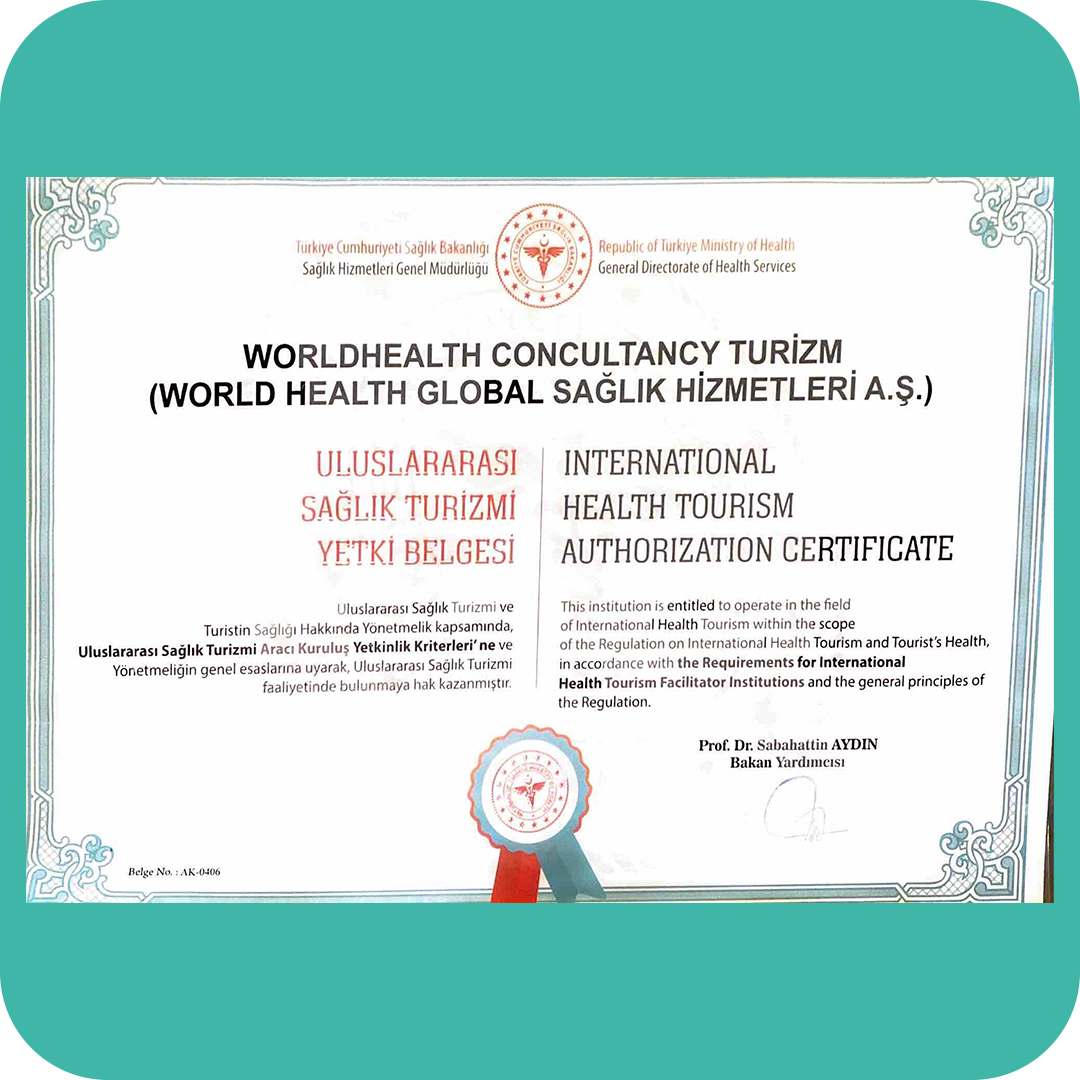
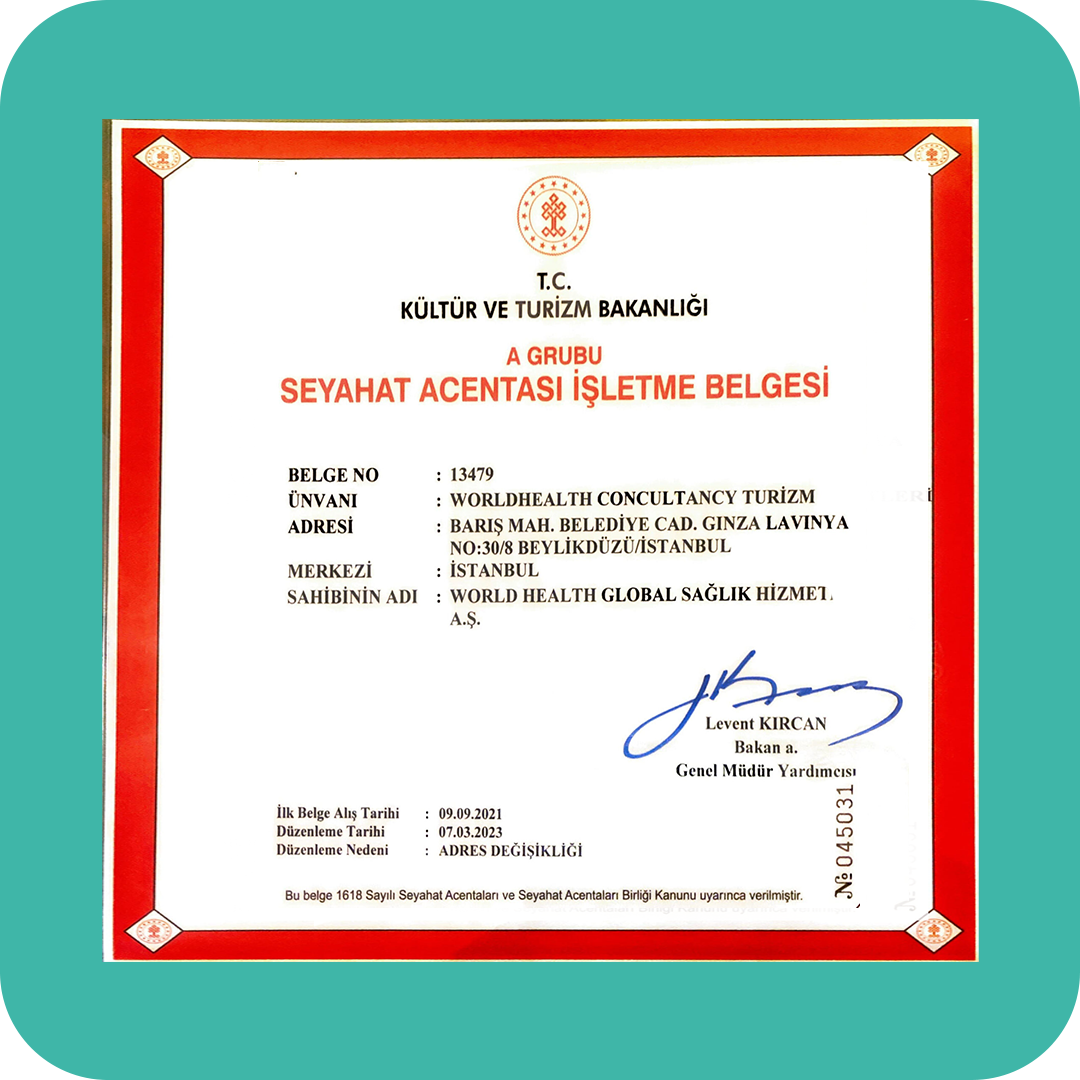
Turkey has an official regulatory framework for international health tourism that describes minimum service delivery standards and the authorization and supervision of healthcare organizations and intermediaries.
From a patient perspective, this matters because it supports clearer accountability and process expectations when you are planning from abroad.
Turkey Cares supports international patients by coordinating consultations, aligning timelines and helping patients understand what is realistic to combine within one trip.
You can find information about check-up appointments and current guidelines by reviewing the Turkey Cares Blog. For a personalized, plan-focused initial consultation, you can contact us through the Turkey Cares Contact page.
 CALL US
 WHATSAPP