
What is Gynaecomastia?
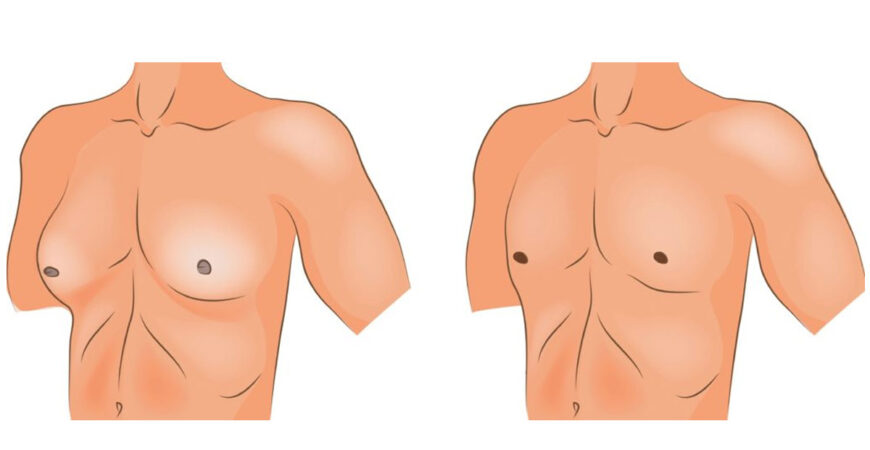
What is gynaecomastia, which is seen in every fifth man and is frequently wondered? This condition is the name given to the deformation of the body caused by the imbalance of estrogen and testosterone hormones in men. Some of the deformations that occur in the body are caused by this condition and may require emergency treatment. This disease, which is caused by hormonal imbalance and leads to enlargement around the breast, is the name given to a benign fat gland accumulation. In most cases, it is only seen around one breast, but rarely it can be observed in cases where it affects both breasts. This growth, which occurs due to excess estrogen hormone in the body, is benign.
What are the Symptoms of Gynaecomastia?
Many people who suspect this condition often ask the question ‘What are the symptoms of gynaecomastia and how to understand it?’ The most common symptom is the protrusion on the chest. A hard lump can be observed or felt under the areola area known as the nipple. The lump is typically firmer than fat and may be painful or sensitive to touch. This fatty tissue, which can grow over time, can be benign or a malignant mass. It can also turn into a malignant tumour if left untreated.
What Causes Gynaecomastia?
Why does gynaecomastia, which is a frequently encountered discomfort, cause and how does it pass? Many factors in daily life can cause this disease. Eating-drinking disorder, medications, herbal products, previous diseases or naturally occurring estrogen hormone excess is one of the biggest causes.
How to Understand Gynaecomastia?
Symptoms of the discomfort vary according to the person’s constitution, but common symptoms include; chest pain, tenderness, bloating and redness. It also has rare effects such as heart palpitations. You can understand whether there is swelling in the chest area by checking with your hand.
How does gynaecomastia go away?
This condition usually does not require treatment and goes away on its own. However, if the growth is caused by a medical problem, this condition should be treated to relieve discomfort. Cases caused by hormonal imbalances must be intervened with medication or surgery.

Gynaecomastia Treatment
Gynaecomastia treatment can be performed with different methods according to the patient and the level of the disease determines the treatment method. There are two different operation methods developed for this condition. These treatment methods are as follows:
- Liposuction: This surgery removes the breast fat but not the mammary gland tissue itself. Therefore, the possibility of regrowth remains, although there is a small possibility.
- Mastectomy: In this treatment, the mammary gland tissue is removed and the surgery is usually performed using only small incisions. This type of surgery shows a short recovery time and as a result, the patient returns to daily life more quickly.
Gynaecomastia Surgery
What is gynaecomastia surgery? This surgery is performed to remove excess fat tissue in the relevant area and to correct aesthetic problems caused by the skin. This surgery does not trigger or cause cancer in any case. On the contrary, it eliminates many problems that may occur with the removal of extra fat tissue in the body. This surgery, which is not a serious procedure, is recommended for many patients who are uncomfortable with their physical appearance.
After Gynaecomastia Surgery
The process of deciding on surgery varies according to the case and the progression of the condition. The speed of recovery after gynaecomastia surgery also depends entirely on the patient and his/her body. While some patients can continue their daily life after surgery, some patients may need to rest for a few days.
Gynaecomastia Surgery Prices
Gynaecomastia surgery prices vary according to the size of the sebaceous gland in your body. In addition, different prices can be applied according to the type and duration of the operation. You can contact us here to get more information about the process, treatment and surgery options, and consult our specialist doctors.

 CALL US
 WHATSAPP