
What is Bruxism?

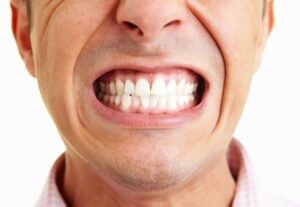
Dental and jaw problems can negatively affect people’s lives. One of these problems is bruxism, also known as teeth grinding. This condition is the medical name for clenching the teeth or grinding the teeth by rubbing them together in daily life or during sleep. Teeth grinding can bring many health problems. Especially jaw and dental disorders occur as a result of bruxism and greatly affect your quality of life. So, how does teeth grinding go away? What are the symptoms and treatment?
What are the Symptoms of Bruxism?
Bruxism is a discomfort that can cause great problems to patients in the long term, which should be taken into consideration, and it is possible to easily detect the symptoms of this discomfort. However, it is the best option to seek expert opinion for correct detection and treatment. Symptoms of tooth clenching can be listed as follows:
- Pain in the jaw and mouth area, especially after waking up in the morning.
- Tooth and gum pain after sleep.
- Recurring headaches during the day.
- Bleeding gums.
- Sensitivity and weakening of tooth enamel.
Individuals with this condition feel fatigue and exhaustion, especially after sleep. In addition, problems such as sleep apnoea and snoring are among the symptoms and effects of bruxism. Although it is not known whether there is a definite connection, it is seen that patients are largely struggling with sleep problems.
What are the Causes of Bruxism?
There is no basic and obvious cause of bruxism. However, one of the most common causes is life under stress. Patients may exhibit behaviours such as clenching their teeth unconsciously during the day or grinding their teeth while sleeping if their stress levels increase. In addition, genetic or acquired jaw problems can also cause the disorder to occur. The fact that the lower jaw is more prominent than the upper jaw or the jaw structure is not balanced is one of the most important factors in the emergence of clenching disease. This condition can have negative consequences in a wide range of areas, including hypersensitivity of the teeth, sometimes tooth fractures and jaw contractions. In order to alleviate and eliminate the effects of bruxism, it is of great importance for the sleep and quality of life of the patients to receive the necessary treatment, especially to end the behaviour of clenching the teeth while sleeping.
Tooth Tightening Treatment
Bruxism reduces the efficiency of sleep and causes people to experience various pains in their daily lives. However, teeth clenching disease, which is not intervened at the right time, can lead to deterioration of the jaw structure, toothache and tooth loss over time. In order to prevent all these negative consequences, it is necessary to take action for the treatment of clenching teeth without losing time. Since bruxism is both an orthodontic and a dental problem, it is of great importance that detailed examinations and determinations on the subject are made by physicians.
The first stage of bruxism treatment is to examine the patient’s teeth and jaw structure. Then, surgical intervention can be performed for teeth and jaws when necessary. The use of mouthguards and mouthguards is also among the commonly preferred methods in the treatment of bruxism. If physiological treatment is not sufficient, it is possible to expand the treatment to investigate the psychological conditions that cause bruxism in patients.
If you feel tired when you wake up in the morning, suffer from tooth and jaw pain, and clench your teeth during the day without realising it, you may be showing signs of bruxism. In this case, the first thing you should do is to apply to a specialist and start the treatment process. Turkey Cares offers you the most effective methods in the treatment of bruxism with its expert staff. For more detailed information, you can contact us here and discover our services closely.


 CALL US
 WHATSAPP