
Is Laser Eye Surgery Safe in Turkey?
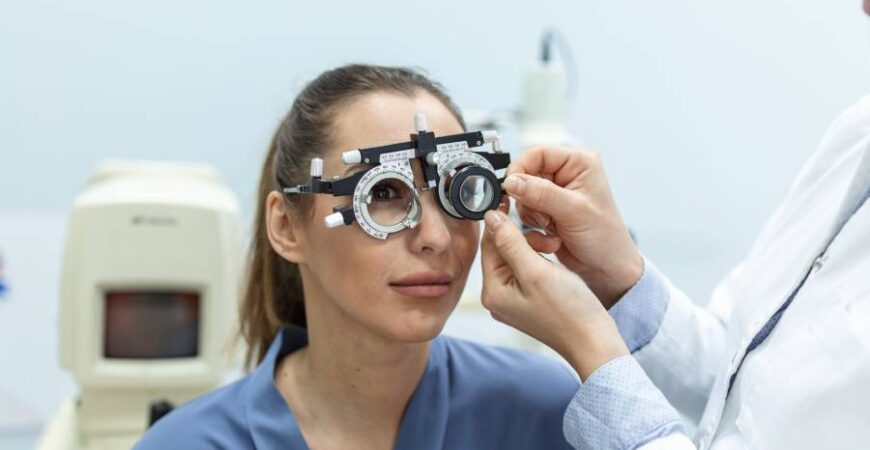
If you are researching is laser eye surgery safe in Turkey, you are not just comparing prices. You are trying to understand safety standards, surgeon expertise, clinic governance, and what happens if you need follow-up care after you fly home. That is a sensible approach because laser vision correction is elective and the decision should be built on good screening and realistic expectations. This guide explains how laser eye surgery Turkey safety is typically evaluated, what to ask a clinic, and which factors matter most for international patients. Turkey Cares supports patients with structured coordination and clear information so you can plan responsibly.
What Laser Eye Surgery Is and Who It Suits
Laser eye surgery is a group of refractive procedures that reshape the cornea to reduce dependence on glasses or contact lenses. The most common options include LASIK, PRK, and SMILE, and the best choice depends on corneal thickness, corneal shape, and overall ocular surface health. A proper preoperative evaluation is essential because it is designed to confirm candidacy and reduce avoidable risk.
Not everyone is a good candidate. Regulatory guidance emphasizes that certain eye or health conditions can make laser vision correction a poor fit, which is why “safe” starts with patient selection rather than marketing.
How Does the Process Work?
Patients usually want to know what they should expect step by step. A safe pathway is typically structured around screening, clear consent, and planned follow-up.
Initial evaluation
You share prescription history, contact lens use, and any prior eye procedures. The clinic may ask you to stop contact lenses for a period before measurement because lenses can temporarily alter corneal shape.
Physician consultation
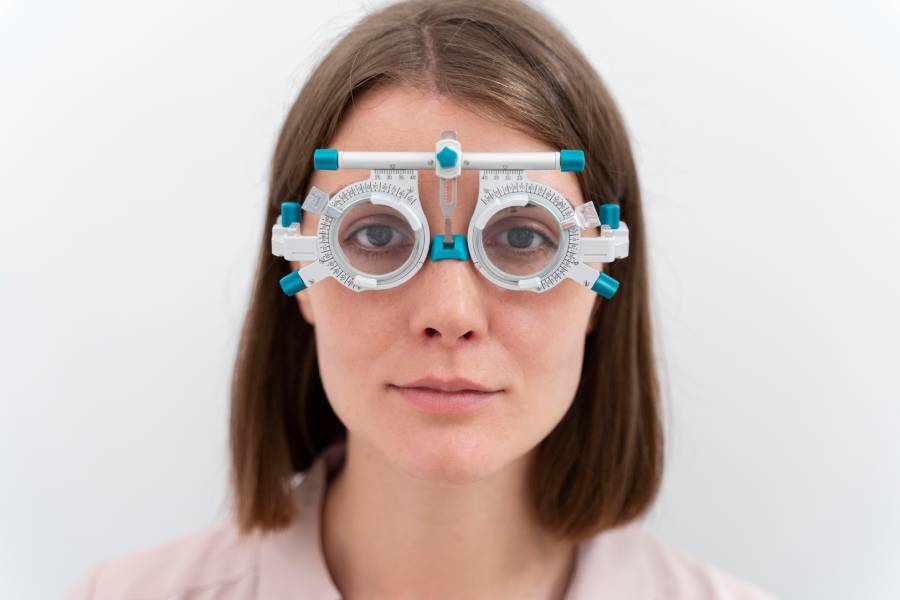
A refractive surgeon reviews your goals and test results and discusses which procedure fits your anatomy. Screening commonly includes corneal topography and pachymetry because these help identify corneal conditions and thickness-related risks.
Procedure phase
LASIK involves creating a corneal flap and reshaping the tissue while PRK is a flapless surface approach. SMILE is another technique that may be offered depending on candidacy and technology availability. The clinic should explain why a specific method is being recommended and what alternatives are reasonable for your eye.
Recovery period
Most patients experience a healing period where symptoms can fluctuate. Commonly discussed effects include dryness, glare, halos, and temporary night-vision challenges.
Follow-up and aftercare
Post-op care typically includes prescribed drops and scheduled checks. A structured follow-up plan matters even more for international patients because your last exam in Turkey often determines whether travel timing is appropriate and whether you need local follow-up arranged at home.
Benefits and Realistic Expectations
Laser vision correction can reduce dependence on glasses and contacts for appropriate candidates. Many people value the convenience of stable distance vision and the ability to travel or work without corrective lenses. Still, outcomes vary and “good chart vision” does not always mean perfect quality in every setting such as low-contrast night conditions.
A realistic safety discussion includes side effects. The AAO lists issues such as dry eye symptoms, glare, and halos among reported risks and postoperative complaints.
What “Safety” Means in Practical Terms
When people ask is LASIK safe in Turkey or “is PRK in Turkey safe,” the real question is how to judge a clinic and a plan. A safety-focused decision usually looks at these areas:
- Candidacy screening quality. Comprehensive pre-op evaluation is repeatedly emphasized as the foundation of safe LASIK planning.
- Ocular surface assessment. Research notes that chronic dry eye is uncommon after PRK and LASIK but preoperative tear film and surface factors can help predict risk.
- Transparent informed consent. FDA guidance highlights that some patients develop glare, halos, or double vision that can affect night vision and that some patients have reduced low-contrast vision even with good chart results.
- Follow-up plan and escalation pathway. Your clinic should explain who you contact if symptoms persist and how care continues after you return home.
How to Choose a Safe Eye Clinic in Turkey
A strong clinic experience is usually visible in how it communicates and documents, not in how aggressively it sells. Practical questions to ask include:
- What tests are included in the LASIK consultation and will I receive copies of results such as topography and pachymetry.
- Who performs the procedure and how is surgeon responsibility defined for screening and consent.
- Which laser platforms are used and whether the plan is wavefront-guided or topography-guided when appropriate.
- What is the follow-up schedule before I fly and what happens if my healing is slower than expected.
Why Laser Eye Surgery Can Be Cheaper in Turkey
Lower cost alone does not prove safety, and higher cost does not guarantee quality. Price differences can relate to operating costs, volume, currency dynamics, and how packages are structured. The safest approach is to confirm what is actually included such as consultations, diagnostics, post-op medications, follow-ups, and whether any “extras” are billed separately.
When comparing clinics, focus on transparency and clinical process rather than a single headline price.
Advantages of Having Laser Eye Surgery in Turkey
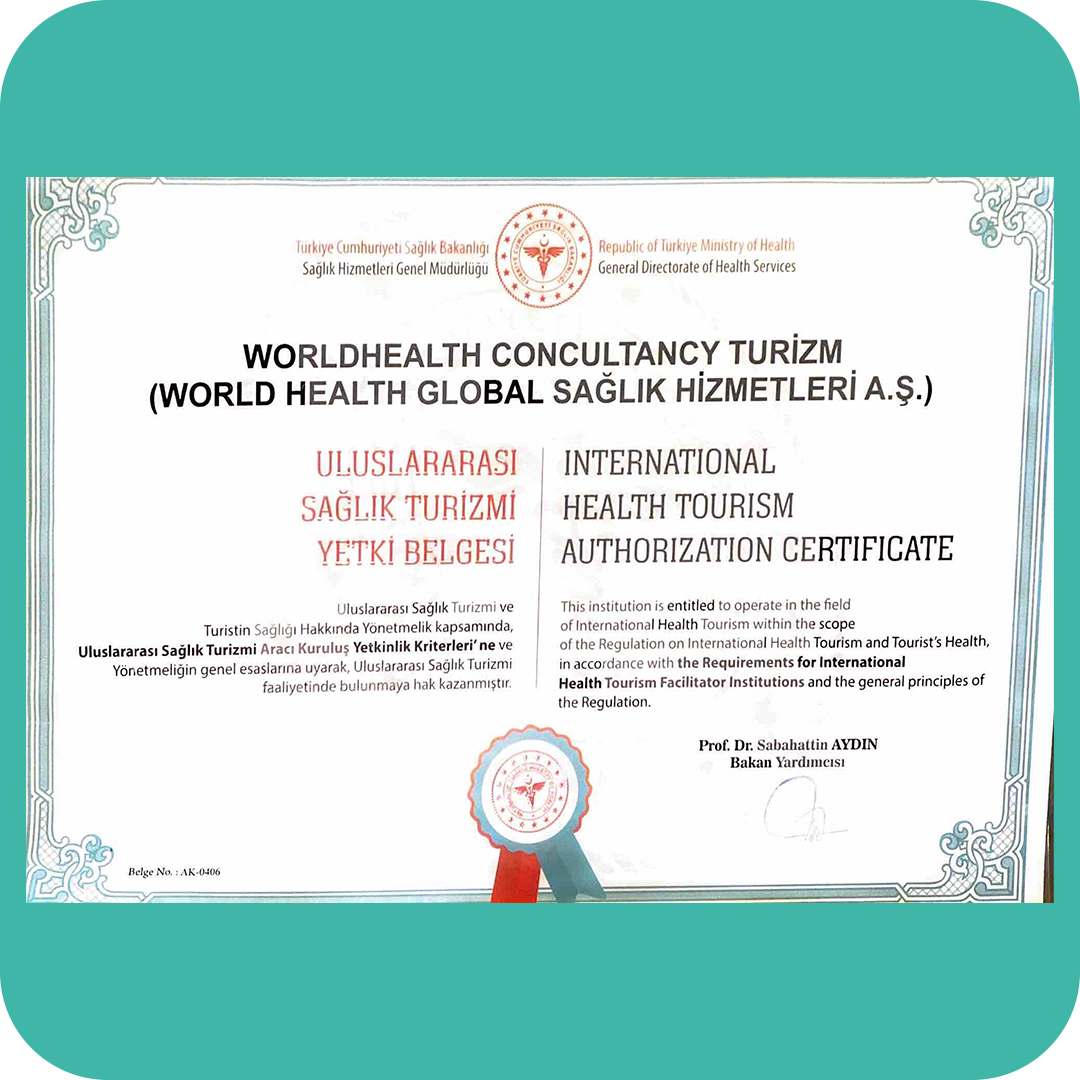
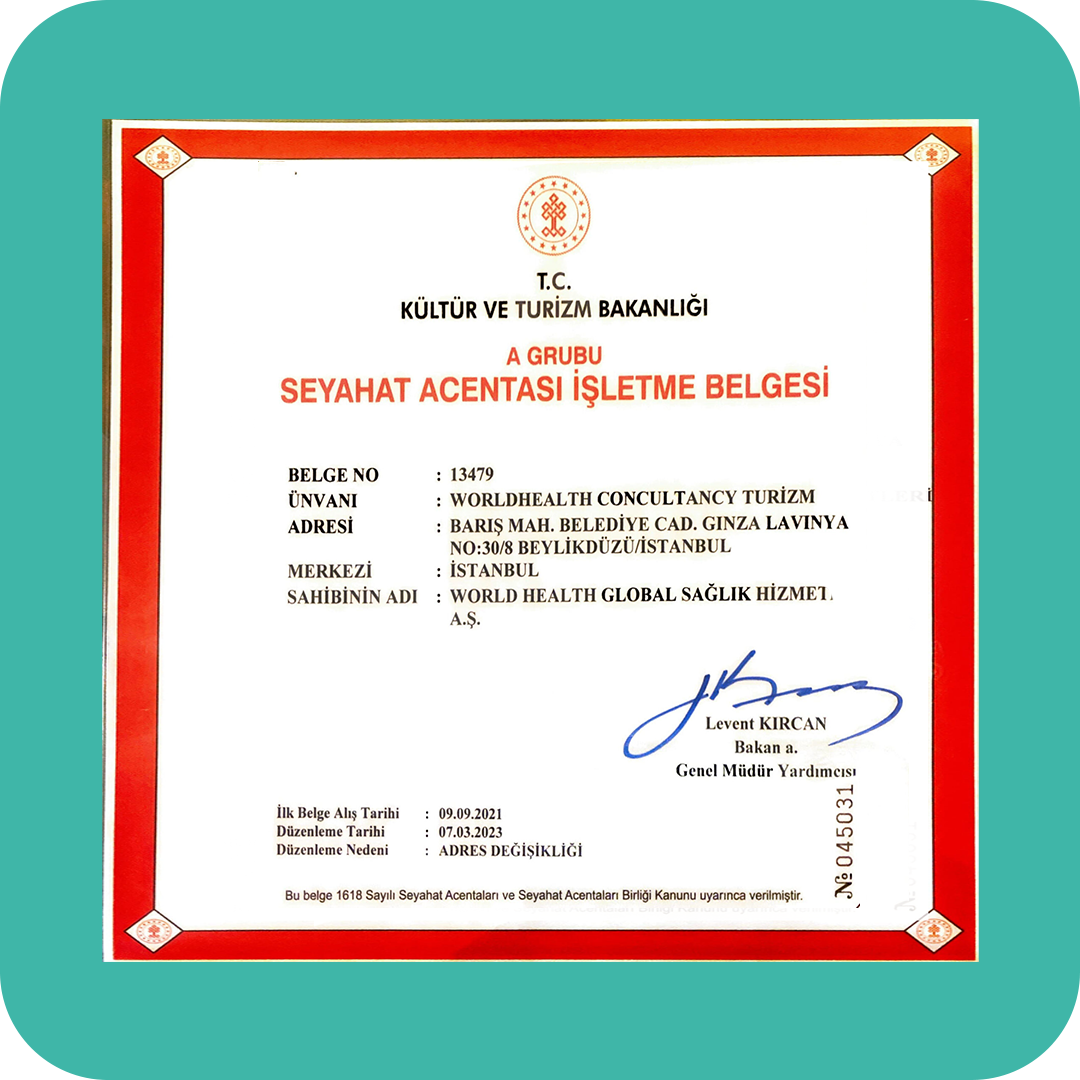
International patients often choose Turkey for refractive surgery because the experience can be organized into a defined travel timeline with consultation, procedure, and follow-up scheduling. Turkey also has a regulatory framework for international health tourism that sets minimum service delivery standards and covers authorization and supervision of providers and intermediaries.
Turkey Cares supports patients by coordinating appointments, helping with reports in English when available, and ensuring the plan includes appropriate follow-up timing.
You can find information about check-up appointments and current guidelines by reviewing the Turkey Cares Blog. For a personalized, plan-focused initial consultation, you can contact us through the Turkey Cares Contact page.
 CALL US
 WHATSAPP