
Is Hair Transplant in Turkey Safe?
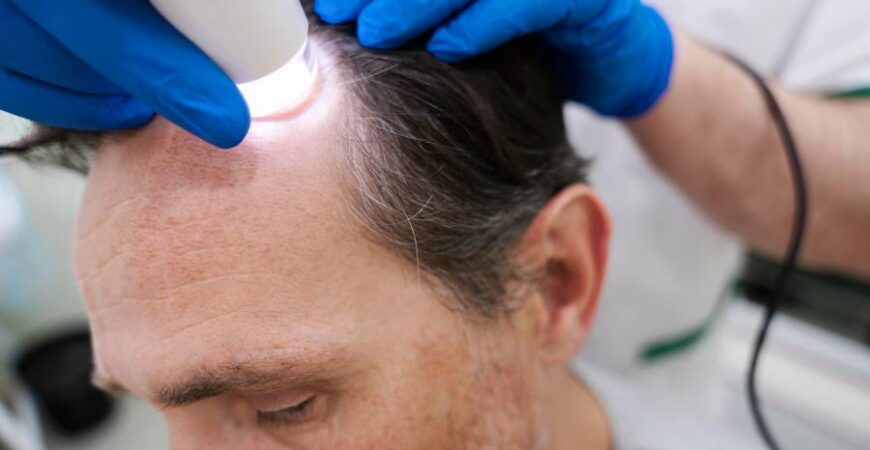
A 2026 Safety Guide with Turkey Cares
If you are searching “is hair transplant in Turkey safe,” you are really asking two things at once: whether the country is a reliable medical tourism destination, and whether the specific clinic you choose follows the standards that protect your health and your result.
In this guide, we walk you through Turkey hair transplant safety in plain English, covering the real-world risks, how to spot a safe hair transplant clinic Turkey, what “licensed hair transplant clinic Turkey” should mean in practice, and why a surgeon-led hair transplant Turkey model matters for both safety and natural-looking outcomes.
We will also help you plan your trip like a patient, not a tourist, with practical checkpoints for infection control, anesthesia safety, graft planning, donor management, and aftercare.
Turkey Travel and Hair Transplant Safety Checklist
A hair transplant trip can feel exciting, like stepping into a new chapter when you land and see the city lights. But the safest journeys are the ones where every step is planned, from pre-op screening to who answers you on day 3 when swelling peaks. Think of this checklist as your “seatbelt” for medical tourism.
- Confirm the procedure will be performed in a hair restoration clinic that operates under a recognized healthcare facility structure, not a back-office setup.
- Ask who does each step: hairline design, anesthesia administration, graft extraction, channel creation, and implantation, and get it in writing.
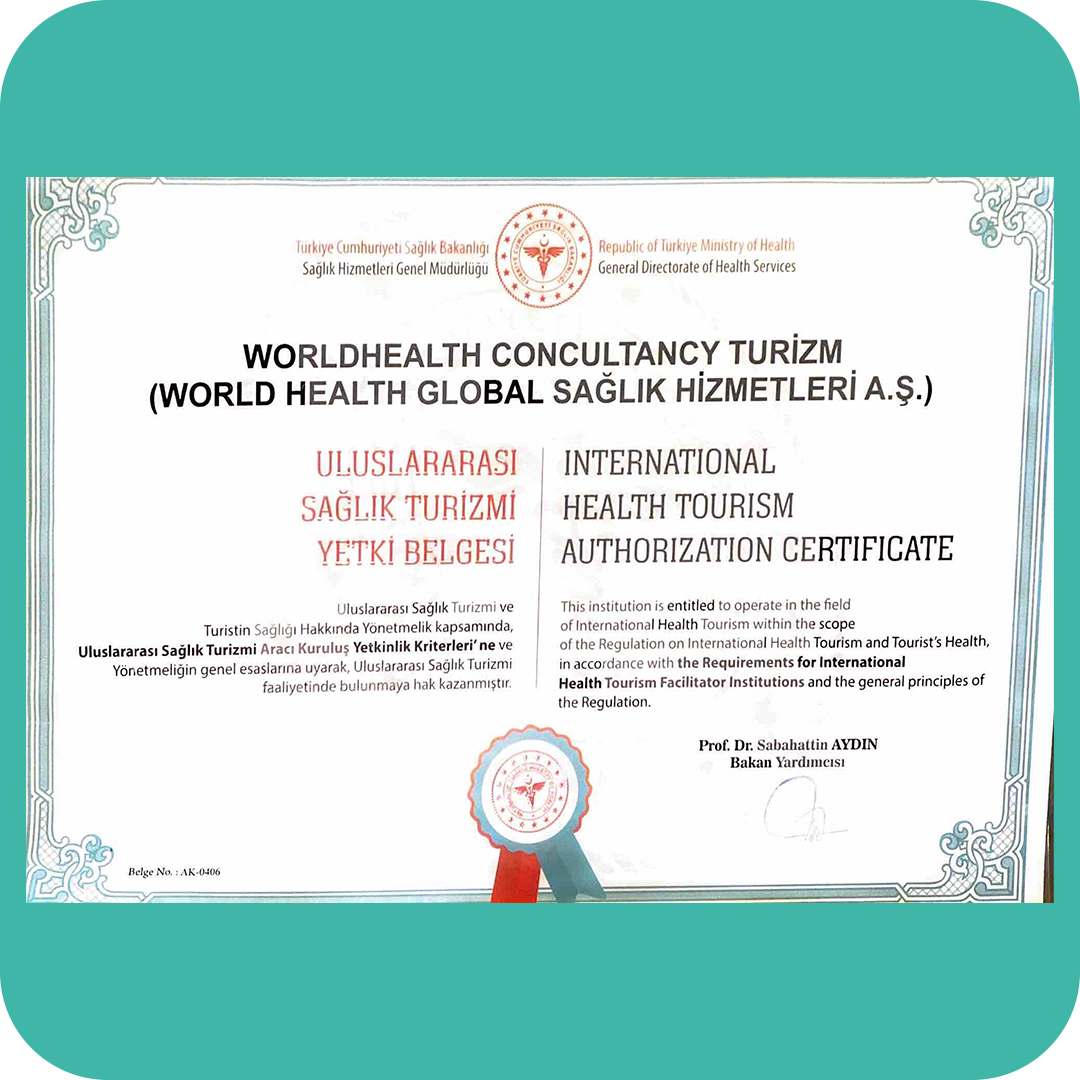
- Verify the clinic’s status for international health tourism authorization where applicable, because it signals an additional layer of formal listing and oversight.
- Request a clear plan for graft count, density (grafts per cm²), and donor limits to reduce donor overharvesting risk.
- Check sterile standards: single-use items, sterilization protocols, and operating room hygiene routines, because infection control is a safety cornerstone.
- Make sure you receive informed consent that explains risks, warning signs, and follow-up responsibilities in language you understand.
- Confirm your post-op follow-up schedule (first wash guidance, day 10–14 scab phase, month-by-month growth milestones) and who you contact after you fly home.
Why Turkey is a Safe Destination for International Hair Transplants
Turkey became a global hub for hair transplant in Turkey because it combines experienced teams, established medical tourism logistics, and competitive pricing. But “Turkey is safe” is not a blanket promise. Safety comes from choosing a clinic that treats your case like medicine, not like an assembly line.
- Many international patients benefit from structured support, like a patient coordinator/translator, which reduces misunderstandings about aftercare and warning signs.
- Ethical, surgeon-involved care helps reduce preventable problems, especially around diagnosis, donor planning, and complications management.
- A good clinic will talk about “what could go wrong” calmly and clearly, because transparency is a safety signal.
How Many People Travel to Turkey for Hair Transplants Every Year?
This is one of the most searched questions, but it is also one of the easiest to misunderstand. Different sources count “hair transplant travelers” differently (hair-only vs. all health tourism, domestic vs. international, clinic estimates vs. associations). The safest way to use these numbers is as a signal of demand, not as proof of quality.
- Many articles and associations describe Turkey as handling very high volumes, sometimes cited around “hundreds of thousands” to “around a million” per year in certain estimates, but methodologies vary widely.
- High volume can mean experience, but it can also create pressure for speed, so you should evaluate standards and staffing, not popularity.
- Patient reviews can be helpful, but they should be paired with objective checks, like named surgeon involvement and documented follow-up pathways.
- If a clinic highlights volume but cannot name who performs critical steps, that mismatch is a practical risk indicator.
How To Prepare For Turkey Hair Grafting Trip
Preparation is where safety becomes real. The week before the procedure, your choices influence swelling, infection risk, comfort, and even graft survival. We want you to arrive feeling calm, informed, and in control, not rushed by a sales timeline.
- Share your medical history in detail, including smoking, blood thinners, allergies, and prior scalp conditions, because screening is part of safe surgery.
- Ask for a plan that separates donor area and recipient area priorities, so graft count is based on capacity, not promises.
- Understand your technique:
- FUE (Follicular Unit Extraction): grafts are extracted with tiny punches, usually under local anesthesia.
- DHI (Direct Hair Implantation): implantation uses a pen-like implanter to place grafts, and success still depends on planning and handling.
- Sapphire FUE: a variant using sapphire blades for channel creation, but safety still comes from sterility and technique, not the blade name.
- Plan your early days: swelling often peaks around day 2–4, and you will want a comfortable place to rest and a clear washing protocol.
- Avoid booking tight schedules “right after surgery,” because rushing increases accidental graft trauma and stresses your recovery routine.
Does Hair Transplant in Turkey Work?
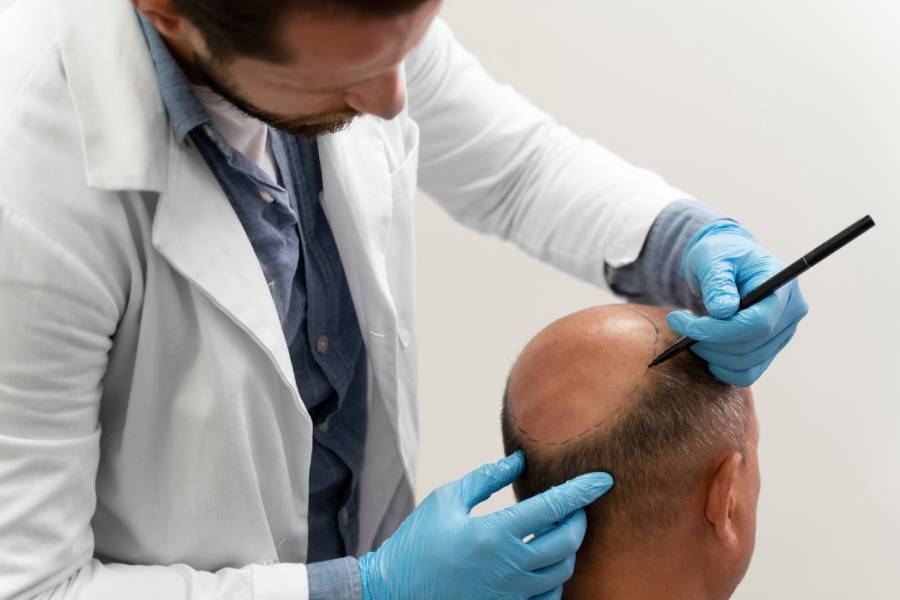
Yes, it can work extremely well, when the plan matches your hair loss pattern, donor capacity, and realistic density targets. The best results often look “quiet” and natural: a hairline that fits your face, soft transitions, and density that grows evenly instead of patchy.
- “Works” should mean multiple things: healthy healing, strong graft survival, natural hairline design, and preserved donor area for the future.
- Common early effects, like redness, scabbing, and temporary shedding, are usually part of normal recovery, but severe pain, foul discharge, or fever are warning signs.
- Shock loss after hair transplant can happen, especially around native hairs, and a good clinic prepares you for it instead of calling it “rare.”
- If you already had a bad procedure, repair hair transplant Turkey and revision planning can be possible, but donor limitations and scar patterns must be assessed honestly.
What is the Success Rate of Hair Transplants in Turkey?
People ask for a simple percentage, but success is not one number. It depends on graft handling, donor management, implantation angles, aftercare compliance, and whether the procedure is performed with medical discipline.
- Ask for measurable indicators instead of marketing percentages: planned graft count vs. actual, donor mapping approach, and follow-up photo timeline.
- Overharvesting the donor area is one of the biggest long-term risks in FUE, because it can create permanent “moth-eaten” thinning.
- A good plan prioritizes “safe density” rather than “maximum grafts,” because donor health is your future insurance.
- Infection control, sterile routines, and proper aftercare reduce complications that can harm graft survival and scarring.
Are Hair Transplants in Turkey Guaranteed?
You may see packages that promise guarantees, but medical outcomes are never as absolute as a product warranty.
- Make sure the informed consent includes realistic limitations, because hair biology, healing, and ongoing hair loss vary per person.
- Be cautious with clinics that promise perfection while minimizing risks, because safety-focused care is always honest about trade-offs.
- If the clinic is vague about who performs surgery and who is medically responsible, the “guarantee” has little real value.
How Long Will My Hair Transplant Last?
A well-planned transplant can last many years, but longevity depends on donor selection, your genetics, and how your native hair loss progresses. Natural-looking planning often includes the future, not just the first 12 months.
- Grafts taken from the safe donor area are typically more resistant, but harvesting too widely can reduce long-term stability and aesthetics.
- Your hairline design should be age-appropriate, so it still looks natural in five to ten years, not only in “before and after” photos.
- You may need long-term medical hair loss management, because a transplant does not stop native hair from thinning.
- Consistent aftercare in the first weeks reduces preventable setbacks like graft trauma, infection, and excess inflammation.
What is the Maximum Number of Grafts That Can Be Safely Transplanted in a Single Session in Turkey?
There is no universal safe maximum, because safety depends on donor capacity, scalp laxity, vascular supply, total operative time, and how your team handles grafts. Some patients can safely do large sessions, while others should split into staged procedures.
- The safest clinics set donor limits and map extraction patterns to avoid overharvesting and patchiness.
- Bigger is not automatically better, because long sessions can increase graft dehydration risk if handling protocols are weak.
- Density planning (grafts per cm²) should match your hair caliber and recipient area needs, not a fixed “package” number.
- If a clinic pushes a very high graft count without examining donor quality in detail, that is a planning red flag.
Surgeon vs Technician Hair Transplant Turkey: The Safety Difference You Can Feel
This topic matters because many complications are not “bad luck,” they are predictable outcomes of poor oversight and rushed execution. A surgeon-led model brings medical accountability and helps ensure the diagnosis, planning, and complication response are handled by qualified professionals.
- Professional organizations warn that unlicensed or poorly supervised technician-led procedures can increase medical and aesthetic risks.
- Ask who performs the critical steps, like anesthesia oversight, donor extraction strategy, and hairline decisions, because these are not “simple tasks.”
- Look for clarity in the team structure: surgeon, medical team, and technicians, with defined roles rather than vague titles.
How to Choose a Safe, Licensed Hair Transplant Clinic in Turkey
Choosing safely is about verifying reality, not trusting vibes. You should be able to confirm licensing context, international patient processes, and sterile standards without resistance or pressure.
- Ask for documentation of facility status and operational permissions, and confirm the clinic’s visibility in official listings for international health tourism authorization when relevant.
- Request a consultation that includes donor assessment, realistic graft planning, and clear discussion of risks like shock loss and overharvesting.
- Evaluate infection control culture: sterile room standards, instrument protocols, and clear post-op instructions, because hygiene is not optional.
- Watch for pressure tactics and “today only” pricing, because rushed decisions are the enemy of safety.
Questions to Ask Before Booking Hair Transplant Turkey
- Who is the responsible hair transplant surgeon, and what steps will they personally perform.
- What technique do you recommend for me, FUE, DHI, or Sapphire FUE, and why is it safer for my donor area and goals.
- What is my planned graft count, and what density targets (grafts/cm²) are realistic for my scalp and hair caliber.
- How do you prevent donor overharvesting, and do you use donor mapping or extraction limits.
- What are your infection control protocols, and what warning signs should I watch for after surgery.
- What is the aftercare schedule, when can I wash, and who supports me when I fly home.
Why Are Hair Transplants Cheaper in Turkey?
Lower prices are often driven by operational costs, exchange rates, competition, and high patient flow. But “cheaper” should never mean “less safe.” Your job is to make sure the savings come from economics, not from cutting corners on sterility, staffing, or surgeon involvement.
- High volume can lower per-patient costs, but it can also create assembly-line risks if staffing and oversight are thin.
- Package deals can simplify travel, but they can distract from the medical essentials, like pre-op screening and proper follow-up.
- Some price gaps reflect local cost structures, but extremely low pricing can be a warning sign if transparency is missing.
- The safest decision is rarely the absolute cheapest option, it is the one with the lowest combined risk of medical and aesthetic failure.
Turkey Hair Transplant Safety Comes Down to Verification, Not Hype
So, how safe are hair transplants in Turkey. They can be very safe and highly successful, when you choose a clinic that operates as a true medical service with licensing context, sterile standards, surgeon-led accountability, and structured aftercare. The risks you read about, infection, shock loss, donor overharvesting, graft failure, and unnatural hairlines, are not random. They are often linked to predictable gaps in planning, hygiene, and responsibility.
- Prioritize surgeon-led care, verified facility context, and written protocols over flashy “before and after” marketing.
- Use the checklist and questions above to evaluate any clinic, because your donor area is limited and mistakes can be permanent.
- Treat guarantees and “success rates” carefully, and instead demand transparent planning and follow-up commitments.
- If you want to discuss your trip planning or questions in a human, step-by-step way, you can reach out through Turkey Cares Contact.
- For more up-to-date patient guidance and travel-friendly health content, you can also explore the Turkey Cares Blog.

 CALL US
 WHATSAPP