
Why Men Are Traveling to Turkey for Beard Transplants?
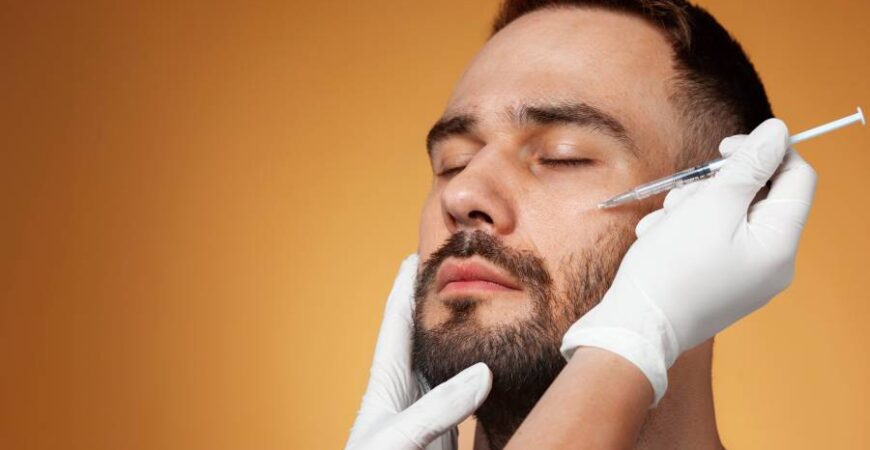
Hair restoration is no longer only about the scalp. Over the last few years, beard transplant Turkey searches have grown because more men want a fuller beard, a cleaner beardline, or better symmetry and they also want a plan that fits travel, budget, and recovery time. Still, the main question is the right one: is beard transplant in Turkey safe. Safety depends less on the country name and more on clinic licensing, hygiene standards, surgeon involvement, donor management, and realistic density planning. In this guide, we explain what a beard transplant is, who may benefit, how FUE and DHI work for facial hair, what recovery really looks like (including the shedding phase), and how to choose a clinic in Istanbul with fewer risks and more natural-looking results.
Beard Transplant in Turkey
Turkey is popular for hair restoration in general, and beard work follows the same pattern: high procedure volume, established medical tourism pathways, and package-style planning that helps international patients coordinate hotel, transfers, and follow-up. This is why you often see terms like beard transplant Istanbul and “all-inclusive packages” side by side in search results.
What is a Beard Transplant?
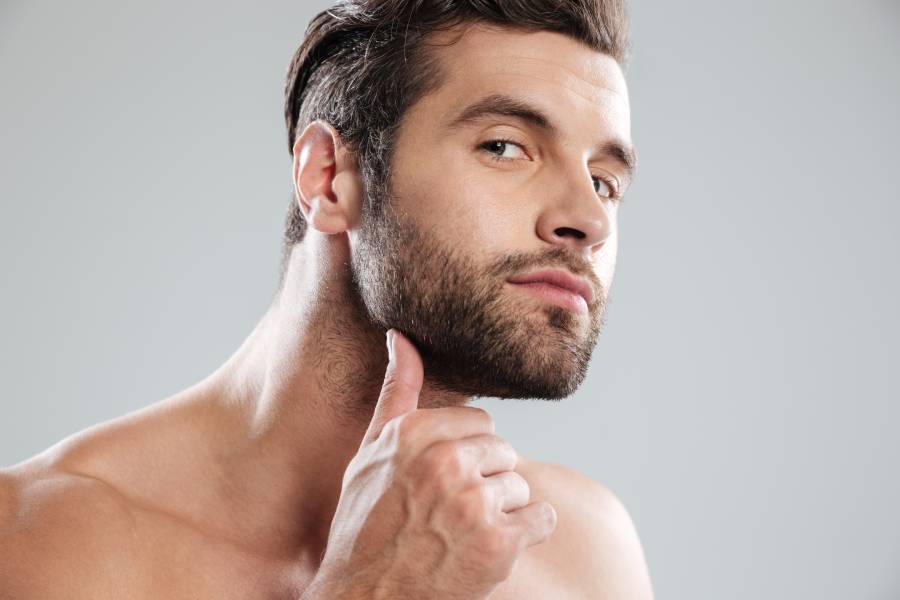
A beard transplant is a type of facial hair transplant that relocates follicular units (grafts) from a donor area, usually the back or sides of the scalp, into the beard, moustache, or sideburn region. The goal is not just “more hair.” The real goal is natural direction and angle control so the beard looks believable when it grows out and when you shave.
Because facial hair has a different texture and growth behavior than scalp hair, planning matters. Your surgeon should talk about beardline design, density targets, and how the grafts will be placed to match your natural pattern.
Who Needs a Beard Transplant?
Most people considering beard transplant in Turkey are not doing it for one single reason. Often it is a mix of confidence, aesthetics, and practicality.
You may be a candidate if you have:
- Patchy beard or sparse beard due to genetics.
- Noticeable beard asymmetry that styling cannot hide.
- Areas with low growth due to scars (acne scars, injury scars, surgery scars) where grafts can help camouflage.
- A specific goal like moustache transplant or sideburn transplant for balance.
A beard transplant is not the first answer for every problem. If you have active skin inflammation, uncontrolled acne, or a scarring alopecia condition that is still progressing, your surgeon should slow down and investigate before promising surgery.
The Procedure for a Beard Transplant
Whether you choose FUE beard transplant Turkey or a DHI-based approach, the workflow is typically the same: careful evaluation, donor harvesting, site creation, then implantation with attention to angle and direction.
A well-run clinic will also map out your travel and recovery plan so you know what day you can fly, when swelling peaks, and how follow-up is handled once you return home.
Preoperative Evaluation
Pre-op evaluation is where safety begins. For facial hair work, the most common mistake is skipping the “boring” questions and jumping straight to graft numbers.
A good consultation usually covers:
- Donor area quality and how many grafts can be harvested safely.
- Recipient area needs and what density is realistic for your skin and hair characteristics.
- Beardline design that fits your face and age so it still looks natural years later.
- Medical history, medications, smoking status, and healing tendencies.
Ask who will do the planning and who will do the implantation. In facial hair, placement control is everything.
Harvesting Follicles
Most beard transplants harvest grafts from the scalp donor zone with a small punch in an FUE workflow. This avoids a long linear scar and usually heals well when the extraction is conservative.
A donor plan should never be aggressive just to inflate graft counts. If your donor is overharvested, you can lose future options.
FUE vs. FUT
You may still see FUT (strip method) mentioned online, mostly as historical context. For beard transplantation, FUE is far more commonly discussed because it allows selective harvesting and avoids a linear scar, which many patients prefer.
FUT can be appropriate in some hair restoration scenarios, but for facial hair goals, most modern planning conversations in Turkey revolve around FUE and sometimes DHI tools for implantation control.
Implantation
Implantation is where naturalness is won or lost. The beard is visually unforgiving because the hair direction changes across the cheeks, jaw, and moustache.
Clinics that focus on natural results usually explain:
- How they control implantation angles and direction to match your natural growth.
- How they distribute density so it looks full without looking “pluggy.”
- How they handle the transition zones such as cheek line and jaw corners.
Rest and Recovery
Recovery is usually straightforward if you follow instructions closely. Still, it helps to know the typical “feel” of the first week.
You can expect scabbing and mild swelling early on. Then the surface calms down and the transplanted hairs often shed before regrowth begins. Many clinics describe a timeline with milestones around 3, 6, and 12 months because beard growth and maturation take time.
Side Effects of Beard Transplants
Most side effects are temporary, but you should recognize them so you do not panic and so you can act early if something is abnormal.
Commonly discussed issues include swelling, numbness, folliculitis, ingrown hairs, and “shock loss” in nearby hairs. Medical literature on hair restoration surgery also reports postoperative edema and folliculitis among the common events.
- Swelling around cheeks or jawline that peaks then improves over days.
- Small scabs in the recipient area that fall off as the skin heals.
- Folliculitis-like bumps that may be mild but should be monitored and treated if needed.
- Temporary shedding of transplanted hairs followed by gradual regrowth.
If you notice increasing pain, spreading redness, fever, or pus-like discharge, treat it as urgent and contact your clinic or a local physician immediately. Infection risk is manageable when addressed early.
How Does a Beard Transplant in Turkey?
The process is often organized as a short medical tourism itinerary:
- Online consultation with photos and a draft graft plan.
- Arrival, in-person assessment, and final beardline design.
- Procedure day with local anesthesia and same-day discharge in most cases.
- Early follow-up and aftercare instructions before departure.
Which is Better FUE or DHI for Beard Transplant?
There is no universal winner. The better choice is the one that best matches your beard goals and your surgeon’s skill.
FUE describes how grafts are harvested. It is widely used and well described in modern practice.
DHI often describes implantation using an implanter tool and it can help with precise placement in some cases, which is valuable for beard direction control.
Why Perform Your Beard Transplant in Turkey
When men search why men travel to Turkey for beard transplants, the answers usually cluster into three themes: planning simplicity, technique availability, and cost.
- A high-volume environment where teams perform FUE-based work frequently.
- Package logistics that reduce friction for international patients.
- Competitive pricing compared with many Western markets due to cost structures and packaging.
Choose your clinic based on who is responsible for the medical steps and how aftercare is handled, not based on the lowest quote.
How Much Does a Beard Transplant Cost in Turkey?
Pricing changes by graft count, technique, clinic level, and what the package includes. Place beard transplantation in Turkey in the low-thousands USD, with variability based on method and scope.
Why Choose Turkey for Your Beard Transplant?
Choosing where to have a beard transplant is not only about price or convenience. It is about predictability. You want a plan that respects your donor area, creates natural angles, and includes clear aftercare so you know exactly what to do once you return home. Turkey can be a strong option for international patients because many providers are used to hosting visitors and coordinating the process from consultation to follow-up in a structured way.
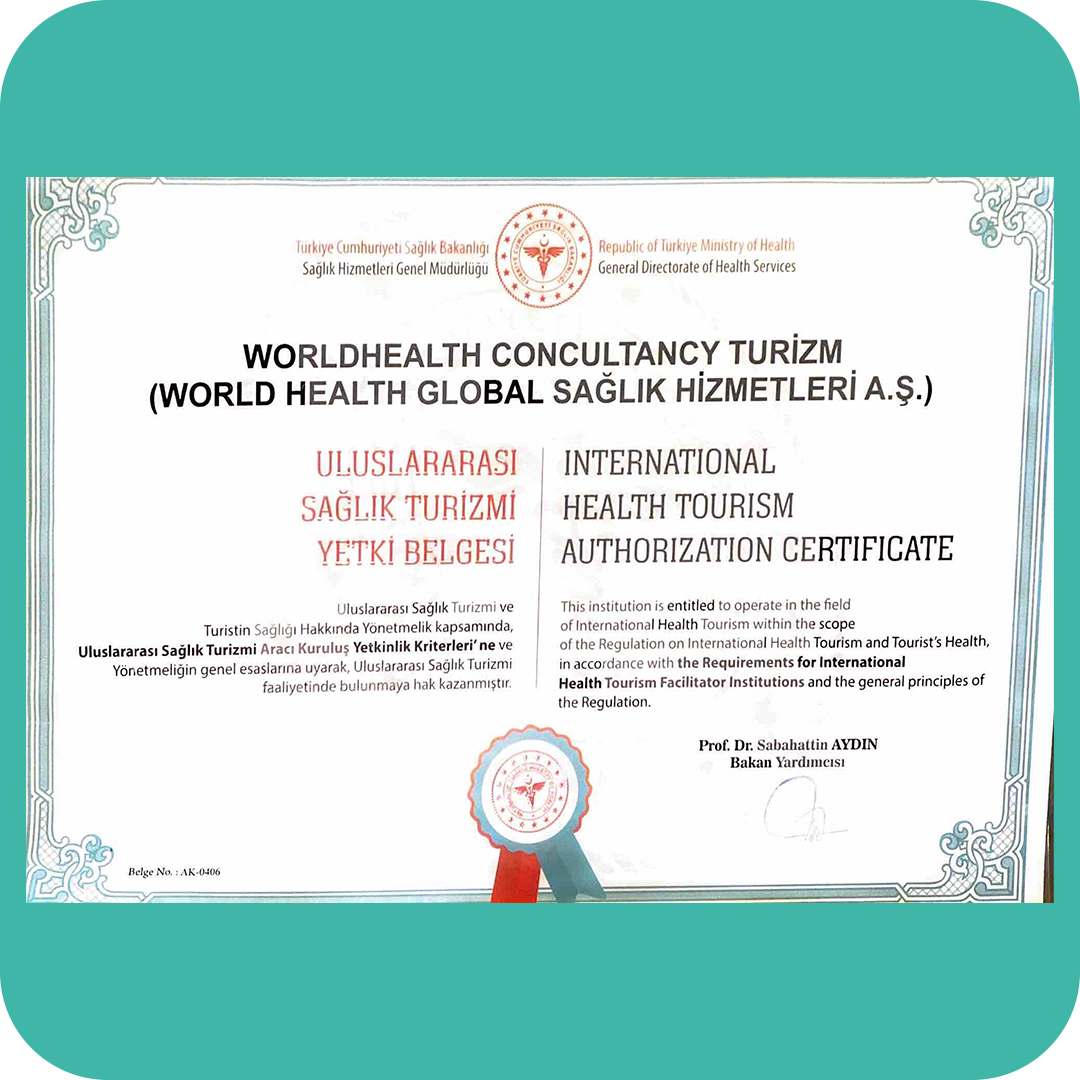
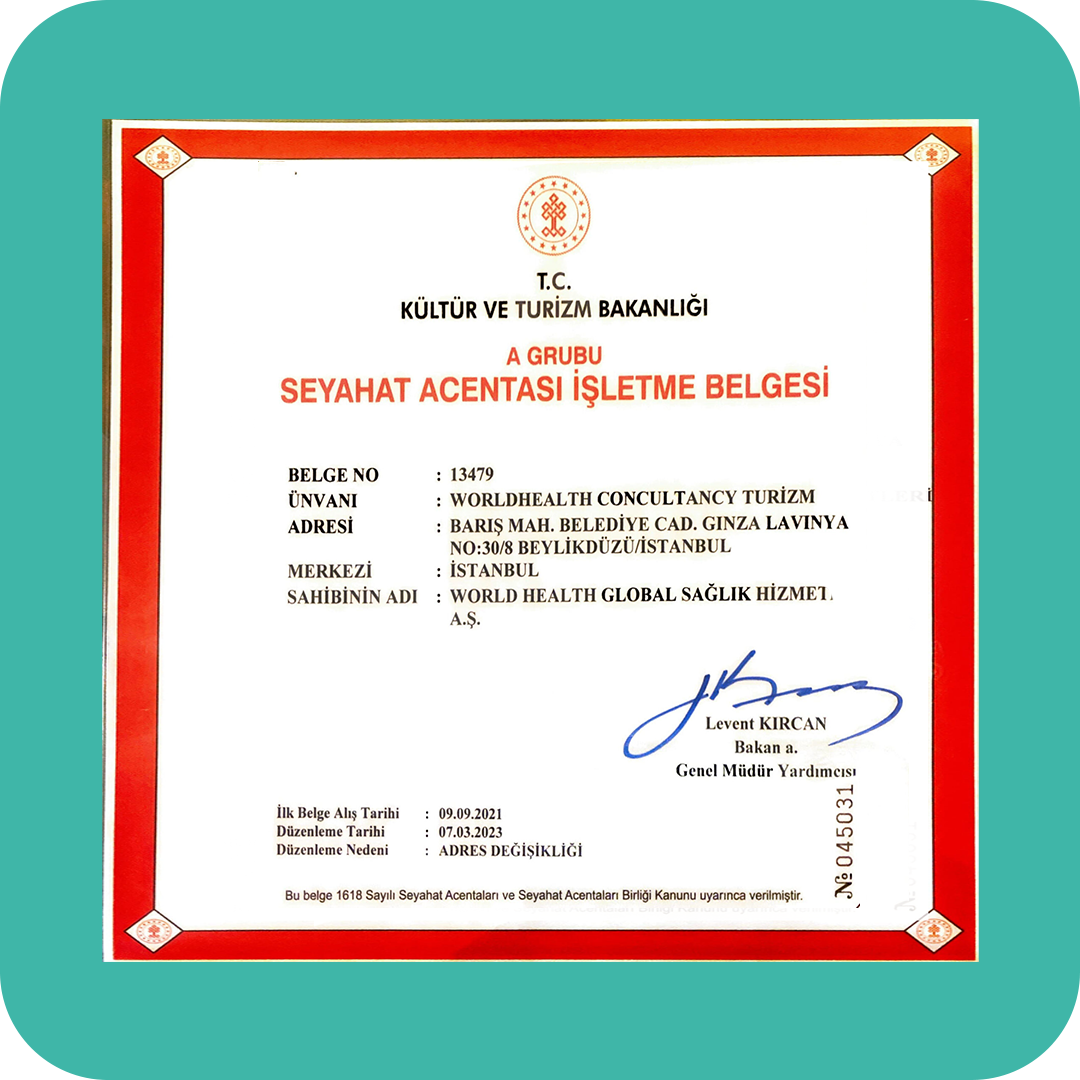
What matters most is not “Turkey” as a label, but which provider you choose and how transparent the clinical process is. When you work with a properly authorized facility that follows consistent operating room standards, you reduce uncertainty and you increase the chance of a natural result that looks good in daylight, close-up photos, and at different beard lengths.
What you should look for in a safe, well-organized experience
Before we share a quick checklist, remember this: a professional clinic will not rush you. It will explain the steps clearly, show realistic expectations, and make follow-up feel like a normal part of care, not an afterthought.
- The clinic explains who performs graft extraction and implantation and what the medical team’s roles are.
- The consultation includes donor assessment, graft estimate, and a realistic density plan based on your facial hair goals.
- Hygiene standards and operating room workflow are described clearly in a way you can understand.
- Aftercare instructions are specific and time-based so you know what to expect week by week.
- Post-op support is available for questions such as redness, swelling, folliculitis, or an unexpected healing pattern.
A practical next step
If you like learning through calm, structured posts before making decisions, you can explore related content on the Turkey Cares Blog. When you are ready to discuss planning details, timelines, and travel logistics in a clear way, you can reach the team via Turkey Cares Contact.
A natural-looking beard transplant is built on angle control, donor respect, clean technique, and disciplined aftercare. When these pieces come together, the result tends to look balanced not only right after growth begins, but also months later as density matures and the beard blends into your everyday style.
 CALL US
 WHATSAPP