
Why Is Turkey Popular For Hair Transplants?
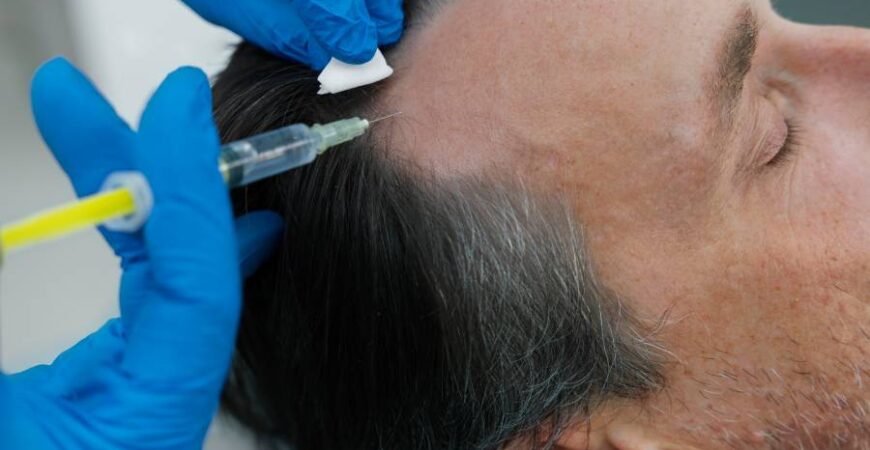
Hair loss can be emotional and deeply personal so it makes sense that so many people search “Why is Turkey popular for hair transplants” before making any decision. Turkey has become a leading destination for medical tourism hair transplant trips because the ecosystem combines high procedure volume, experienced teams, modern techniques (FUE, DHI, Sapphire FUE), and travel-friendly Turkey hair transplant package structures that simplify planning. At the same time you still need a safety-first mindset because “popular” does not automatically mean “right for everyone.” In this article we explain how Istanbul earned its reputation, why costs are lower, what standards and regulations matter, and how you can choose a clinic and technique based on graft planning, donor management, and aftercare.
How Istanbul Became The Global Capital Of The Hair Transplant?
Istanbul’s rise is not a single reason story. It is a “stack” of advantages that reinforce each other: a large healthcare market, strong travel connectivity, and a medical tourism culture that built specialized pathways for international patients. Major media outlets have described Istanbul as the hair transplant capital because of the sheer number of clinics and the way packages are marketed to global visitors.
There is also a simple skill dynamic at work. When a city performs a high number of similar procedures, teams repeat the same steps every day: consultation, hairline design, graft extraction, graft implantation, and post-op follow-up. In medicine, repetition does not replace quality controls but it can create operational fluency when the right standards are in place.
Hospitality
One reason people choose a Turkey hair transplant trip is that the journey feels “handled.” Many clinics and hospitals design a patient pathway that bundles healthcare with travel logistics, especially for people who have never been to Turkey.
Before you book, it helps to understand what “hospitality” usually means in a package so you can compare offers fairly. A typical Turkey hair transplant package may include the following items though inclusions differ by provider.
- Hotel accommodation for a few nights depending on the schedule.
- Airport transfers and local transportation between hotel and clinic.
- A translator or patient coordinator for consultations and daily instructions.
- An aftercare kit plus a written washing and medication plan.
- Scheduled follow-ups and a remote check-in routine for the first weeks.
A luxurious hotel does not prove medical quality. Use hospitality as a comfort factor not as a safety metric.
History Of Hair Transplantation in Turkey
Modern hair restoration worldwide moved from older “plug” approaches toward refined follicular unit work, then into today’s dominant techniques like FUE and DHI. Turkey’s visible growth accelerated in the early 2000s as global demand increased and clinics invested in training and infrastructure. That is also when Istanbul started to be discussed internationally as a hub.
You may also see historical references linking Istanbul to very early hair restoration experiments. These stories appear in some clinic-based history write-ups but they are not the reason Turkey is popular today. Today’s popularity is driven by modern technique adoption, medical tourism operations, and competitive economics.

Pioneering Surgeons
When people search “experienced hair transplant surgeons in Turkey” they are usually trying to reduce uncertainty. The safest way to think about “experience” is not just reputation but measurable clinical process: who designs the hairline, who performs extraction, who performs implantation, and how the team documents outcomes.
A clinic that takes international patients seriously tends to be transparent about these details:
- The physician’s specialty background and who is medically responsible for the case.
- Whether the surgeon is present for critical steps such as planning and channel creation.
- How donor area management is decided for your hair type and loss pattern.
- How graft count and density targets are calculated not guessed.
If a provider avoids clear answers and only repeats marketing phrases like “guaranteed results” you should slow down. Hair transplantation is elective surgery and it needs informed consent not pressure.
Technological Advancements
Most modern procedures in Turkey are built around excimer-level precision in planning rather than a single device. The core technologies you will hear about include FUE extraction systems, implantation tools, microscopy support, and planning software. The “headline” techniques are typically these:
FUE (Follicular Unit Extraction). Follicles are extracted one by one from the donor area then implanted into the recipient area.
DHI (Direct Hair Implantation). Often uses an implanter pen so implantation can be more direct and controlled in some scenarios.
Sapphire FUE. Uses sapphire blades for channel creation which is promoted for precision and incision consistency in some clinics.
FUT. An older strip method that is still used in some settings worldwide but is less commonly marketed in Turkey compared to FUE-based workflows.
To choose between FUE vs DHI in Turkey, think about your actual needs. If you want to avoid full shaving, if you need high control in placement, or if your donor area is limited, the plan may change. A good clinic will explain why a technique fits your scalp rather than insisting one method is best for everyone.
International Recognition
Turkey’s medical tourism growth is tied to both market demand and formal systems. For international patients, “recognition” should mean two things: quality standards and regulatory compliance.
Accreditation: Some hospitals in Turkey hold international accreditation such as JCI. The most reliable way to verify any “JCI accredited” claim is to check the JCI database directly.
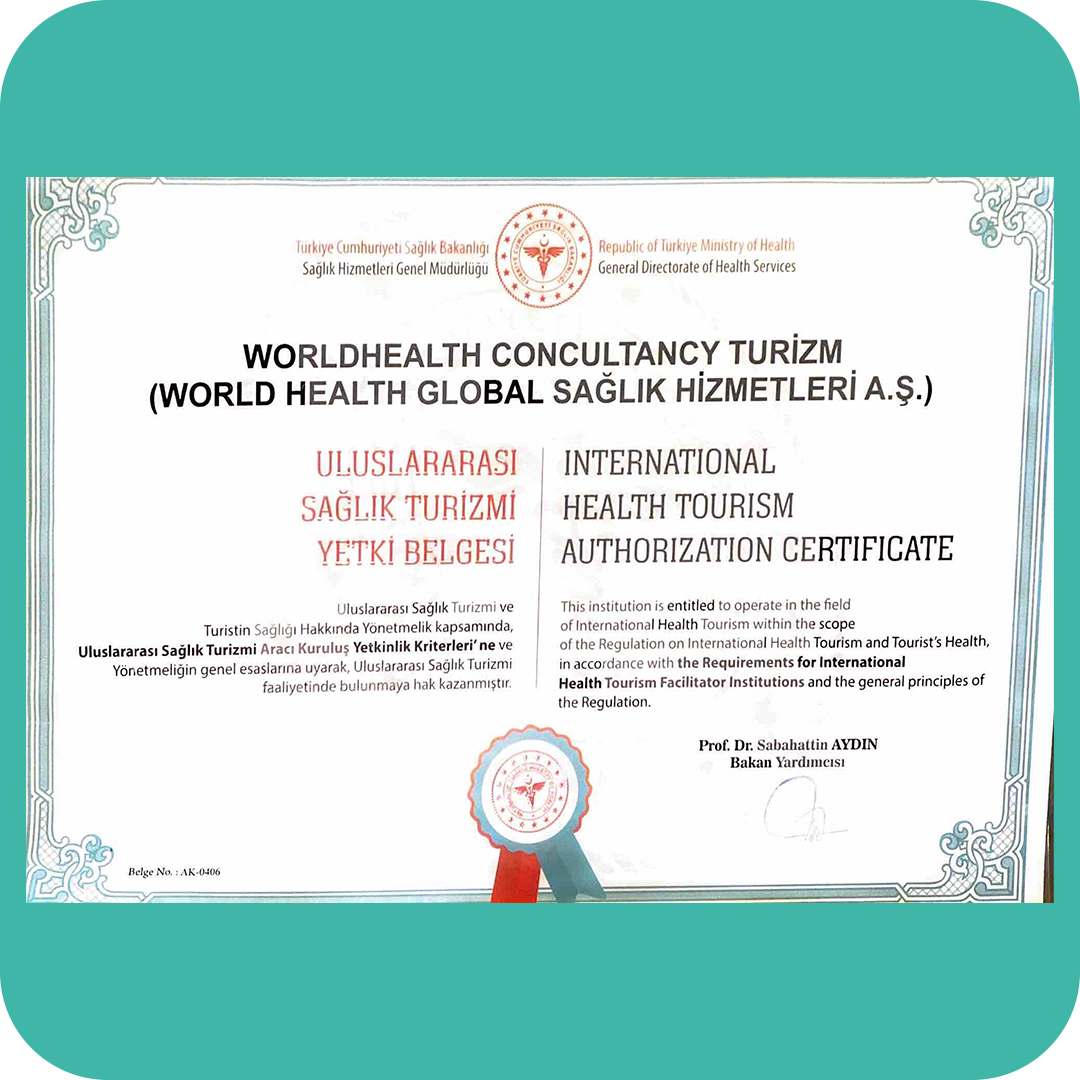
Authorization for health tourism: Turkey has an official framework for international health tourism and facilities are expected to follow authorization and portal processes. The Ministry of Health’s health tourism department publishes guidance and references to the HealthTürkiye ecosystem.
“Accredited hospital” and “hair transplant clinic” are not always the same thing. Ask where the procedure is performed and what operating room standards and sterilization protocols are used.
Medical Tourism in Turkey
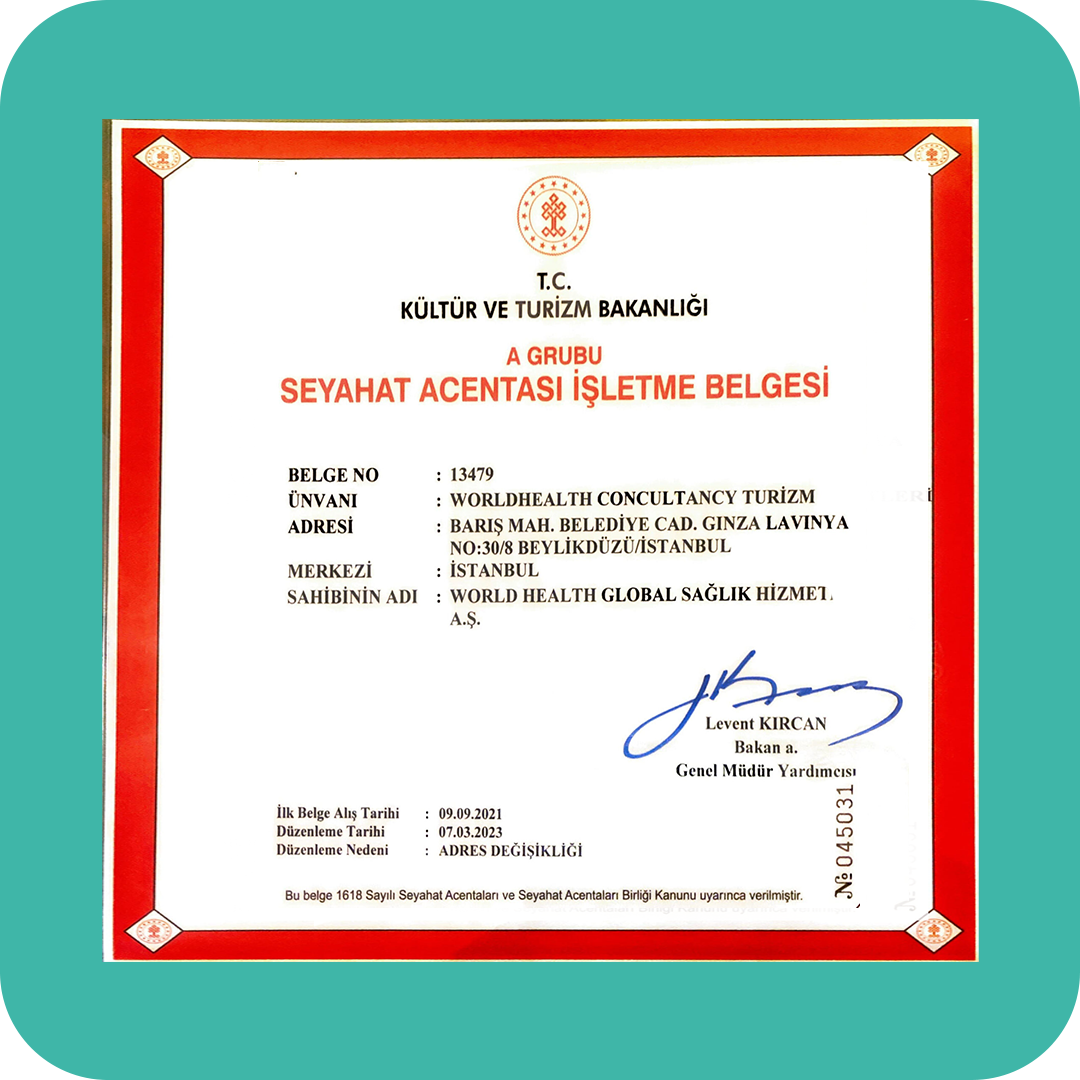
Turkey has a structured health tourism ecosystem that includes facilities and intermediary organizations. Official pages from the Ministry of Health highlight health tourism departments, legislation and authorized structures connected with HealthTürkiye and USHAŞ.
This matters because international patients are more vulnerable to confusion. You are comparing countries, languages, time zones, and healthcare systems at the same time. So you should treat your decision as a checklist not a vibe.
Some hospital blogs in Turkey also publish broader patient-education content about medical topics and recovery planning. For example you may see a similar “guide-first” tone in places like the Turkey Cares Blog when they explain what patients should watch for after procedures. Keep that mindset: education first, then booking.
Affordable Costs
People often ask “why are hair transplants cheaper in Turkey” and the answer is usually a combination of economics and packaging. Media coverage has noted that procedures in Turkey can be priced far below US and UK levels, partly because clinics bundle services and because operating costs can be different across markets.
There is also a package logic. Instead of billing every step separately, many providers sell an all-in structure that includes hotel and transfers. That makes the price feel simpler even when the medical part is similar.
If you want a realistic planning range, some hospital and clinic sources describe common Turkey pricing bands in the low thousands of USD depending on graft count and technique. Treat these as directional and always request an itemized breakdown.
Quality Healthcare Services
Quality is not a slogan. In hair transplant surgery it is the result of repeatable steps and strict controls: pre-op screening, sterile environment, correct anesthesia practice, careful graft handling, and a disciplined aftercare protocol.
A clinic that is serious about quality will guide you through pre-op planning with clear tests and documentation. They should explain:
- How hairline design matches your facial structure and future hair loss risk.
- How graft count is estimated and what density is realistic for your donor area.
- How the team protects grafts from dehydration and trauma during implantation.
- Which medications are used for infection prevention and pain control.
- How follow-up is structured from day 1 to month 12.
If a clinic promises a “success rate” without defining what it measures, ask for clarity. A trustworthy team will talk about variables like donor quality, survival monitoring, and documented follow-up rather than a single marketing percentage.
Research and Development
Hair restoration keeps evolving. Clinics frequently discuss refinements in extraction tools, implantation control, and supportive therapies. You will also hear about add-ons such as PRP therapy to support healing and early scalp recovery, although results can vary and it should not be presented as a magic upgrade.
The practical takeaway is simple: choose a provider that explains what is evidence-informed and what is optional so you can spend money where it actually matters.
Benefits of Hair Transplant in Turkey
The benefits people associate with Turkey medical tourism hair transplant trips are real when the clinic choice is careful and expectations are realistic. Let’s describe them clearly.
First you get a combination of medical specialization and travel convenience in one plan. Then you get access to modern techniques and teams that perform these procedures frequently.
Here are the most common benefits patients describe when everything is done properly:
- A streamlined journey with consultation, surgery, and early aftercare organized in a short stay.
- Multiple technique options such as FUE, DHI, and Sapphire FUE based on your needs.
- Competitive pricing compared with many Western markets due to packaging and cost structures.
- Access to patient coordinators and translation support that reduces planning friction.
The biggest “benefit” is not low price. The biggest benefit is a plan that protects donor area health and sets realistic density goals so your result looks natural in real life.
Final decision framework: how to choose a hair transplant clinic in Turkey
If you are searching “is Turkey hair transplant risky” your instinct is right. Any surgery carries risk. You reduce it by choosing based on systems not slogans. Turkey has official health tourism structures and published legislation so it is reasonable to ask clinics how they align with these requirements.
Before booking, make sure you can get clear answers to these questions:
- Who is the responsible physician and which steps are performed by the surgeon vs technicians.
- Which technique is recommended for you and why.
- How many grafts are planned and how donor management protects future options.
- What the aftercare plan looks like day by day for the first two weeks.
- How follow-up is handled after you return home.
If you want to continue learning in a calm step-by-step way you can browse related guides on the Turkey Cares Blog and then decide what questions to bring to your consultation. If you are ready to plan logistics and ask about scheduling you can reach the team through the address line that many patients use for orientation and contact details: Turkey Cares Contact
 CALL US
 WHATSAPP