
Ophthalmology Treatments in Turkey: Eye Care Options

If you are exploring ophthalmology treatments in Turkey, you are likely trying to balance two priorities at the same time: access to advanced diagnostics and a travel plan that still feels safe and well-structured. International patients often compare procedures like laser vision correction, cataract surgery and retinal care, then wonder which options are relevant for their eyes and how follow-up works after returning home. This guide explains the most common advanced eye care in Turkey pathways and what the process typically looks like from evaluation to aftercare. Turkey Cares supports patients by coordinating consultations, reports and scheduling so the journey stays organized and clinically grounded.
What Ophthalmology Care Includes and Who It Helps
Ophthalmology covers the diagnosis and treatment of conditions affecting vision and eye health. In practical terms, eye treatment in Turkey may include refractive surgery for glasses reduction, cataract surgery with intraocular lens options, retinal disease management, glaucoma care, corneal treatments and dry eye services. The right pathway depends on your eye anatomy, your diagnosis and the stability of your vision.
International patients commonly seek ophthalmology clinics in Turkey when they want comprehensive evaluation in a short timeframe or when they need a specialist-led plan that includes modern imaging and structured follow-up. Your suitability for any procedure should be confirmed by an ophthalmologist after a full examination rather than assumed from symptoms alone.
How Does the Process Work?
A reliable experience with ophthalmology treatments in Turkey is usually built around a predictable clinical sequence. The goal is to confirm diagnosis, match the procedure to the eye and protect follow-up care.
Initial evaluation
You share your prescription history, prior eye surgeries and current medications. Clinics often request recent reports if you have them and may advise timing considerations for contact lens use before measurement. This stage also helps estimate how many days you may need in Turkey.
Physician consultation
An ophthalmologist reviews results and explains the most appropriate treatment options. For international patients, this is also when the clinic discusses the travel timeline, expected recovery window and when flying is typically considered. The conversation should focus on suitability and trade-offs rather than guarantees.
Procedure or treatment phase
Treatment may be surgical such as LASIK or cataract surgery, procedural such as anti-VEGF injections or laser treatment or medical such as dry eye therapy. Your plan can involve one procedure or a staged pathway depending on diagnosis and safety.
Recovery period
Recovery expectations vary widely by treatment type. Laser vision correction often has a different recovery profile than cataract surgery or retinal procedures. Your clinic should provide written instructions for drops, activity adjustments and warning signs that require urgent review.
Follow-up and aftercare
Follow-up is essential for outcomes tracking and safety. Clinics often schedule at least one post-op review before you leave Turkey and they should explain remote follow-up options and how to share results with your local eye doctor.
Advanced Eye Care Options in Turkey
The term advanced eye care options in Turkey usually refers to a combination of specialist expertise and modern diagnostics. Below are the main treatment categories international patients commonly explore.
Refractive surgery for glasses reduction
Refractive surgery includes LASIK, PRK and SMILE, which are commonly described by the American Academy of Ophthalmology as established options for correcting refractive error. SMILE is positioned as a newer approach that avoids some steps used in LASIK and it can be considered depending on candidacy and clinic availability.
A structured refractive surgery Turkey consultation and tests pathway typically includes corneal measurement and screening for ocular surface issues to confirm safety and suitability.
Cataract surgery and intraocular lens choices
Cataract surgery replaces the eye’s natural lens with an intraocular lens. Lens options may include monofocal, toric and premium designs such as multifocal or EDOF lenses. The AAO notes that an IOL replaces the natural lens during cataract surgery and that different IOL types can be chosen based on vision goals.
If you are comparing monofocal vs multifocal intraocular lens options, clinicians often discuss near-vision goals and the possibility of glare or halos as part of realistic expectations.
Retina services and injections for retinal disease
Retinal services may include vitrectomy, laser treatments and injection-based therapy for conditions like diabetic retinopathy or macular disease. The National Eye Institute explains that anti-VEGF injections block VEGF and can be used for conditions including diabetic retinopathy.
Clinics may also use OCT imaging to guide diagnosis and monitoring for retinal conditions.
Glaucoma diagnosis and treatment
Glaucoma pathways often involve IOP measurement, visual field testing and imaging to assess optic nerve health. Laser trabeculoplasty is described by the AAO as a laser procedure used to treat open-angle glaucoma.
In selected cases, minimally invasive glaucoma surgery can be discussed, often with attention to safety profile and expected IOP reduction compared with traditional surgery.
Corneal care such as keratoconus and transplants
For progressive keratoconus, corneal cross-linking is a well-recognized treatment designed to strengthen a weakened or warped cornea. The AAO describes corneal cross-linking as treatment for a weakened or warped cornea.
Depending on diagnosis, corneal transplant options such as DALK or PK may be discussed in specialist settings.
Ocular surface and dry eye treatments
Dry eye can affect comfort and visual quality and it can also influence the experience of refractive surgery and premium lens outcomes. Clinics may offer stepwise management plans that include assessment of the tear film and eyelid health, then treatment tailored to severity.
Key Diagnostics You May See in an Eye Hospital in Turkey
Many patients choose an eye hospital in Turkey because multiple diagnostics can be completed efficiently in one visit. Common tests include:
- OCT scan to capture cross-sectional retinal images for diagnosis and monitoring.
- Corneal topography to map corneal shape for refractive screening and keratoconus assessment.
- Pachymetry to measure corneal thickness for surgical safety planning.
- Visual field testing to support glaucoma assessment and monitoring.
- Tonometry for intraocular pressure measurement.
These tests support decision-making but they do not replace a clinician’s interpretation and full examination.
Benefits and Realistic Expectations
The main benefit of seeking ophthalmology treatments in Turkey is access to a structured evaluation that can connect modern diagnostics with a specialist-led plan. Many patients appreciate having consultation, testing and a defined follow-up schedule arranged within a travel-friendly window. Still, outcomes depend on diagnosis, candidacy and individual healing and they should be discussed as probabilities, not guarantees.
It is also important to plan for continuity. Even when treatment is completed abroad, most patients benefit from sharing reports with a local eye doctor for long-term monitoring, especially for glaucoma or retinal disease.
Advantages of Having Eye Treatment in Turkey
International patients often choose Turkey because care pathways can be organized efficiently across diagnostics, specialist consultations and treatment scheduling. When managed to international standards, a key advantage is coordination rather than speed alone.
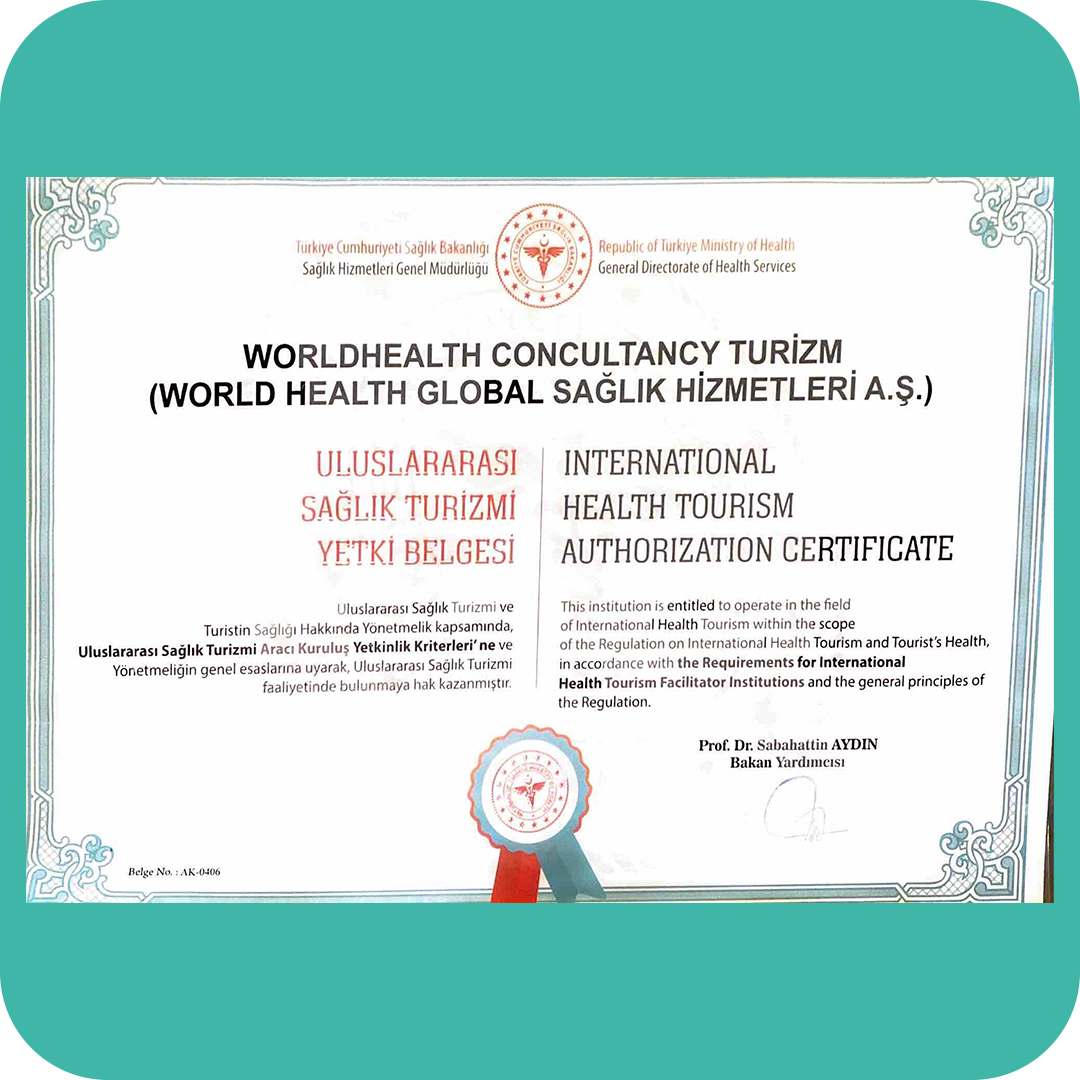
Turkey also has a formal regulation that defines minimum service delivery standards for international health tourism services and covers authorization and supervision of providers and intermediaries.
Turkey Cares supports patients by coordinating clinic communication, reports in English when available and travel logistics so the process remains clear and well-managed.
What Ophthalmology Treatments in Turkey Are Most Commonly Requested?
International patients frequently inquire about laser vision correction such as LASIK, PRK and SMILE, cataract surgery with IOL choices and retina services such as monitoring with OCT and injection therapy. The AAO describes refractive surgery options including LASIK, PRK and SMILE as common categories and it also explains OCT as a non-invasive imaging test used for retinal evaluation.
Your exact options depend on diagnosis and suitability rather than destination alone.
Plan Your Journey with Confidence
Choosing among ophthalmology treatments in Turkey is easiest when you understand the main care categories, the diagnostics involved and how follow-up is structured for international travel. This article outlined advanced eye care options, from refractive surgery and cataract lens choices to retina, glaucoma and corneal treatments. Turkey Cares supports patients with clear coordination, clinic communication and travel-friendly scheduling so you can make informed decisions based on professional evaluation.
You can find information about check-up appointments and current guidelines by reviewing the Turkey Cares Blog. For a personalized, plan-focused initial consultation, you can contact us through the Turkey Cares Contact page.

 CALL US
 WHATSAPP